
Last updated November 15, 2026
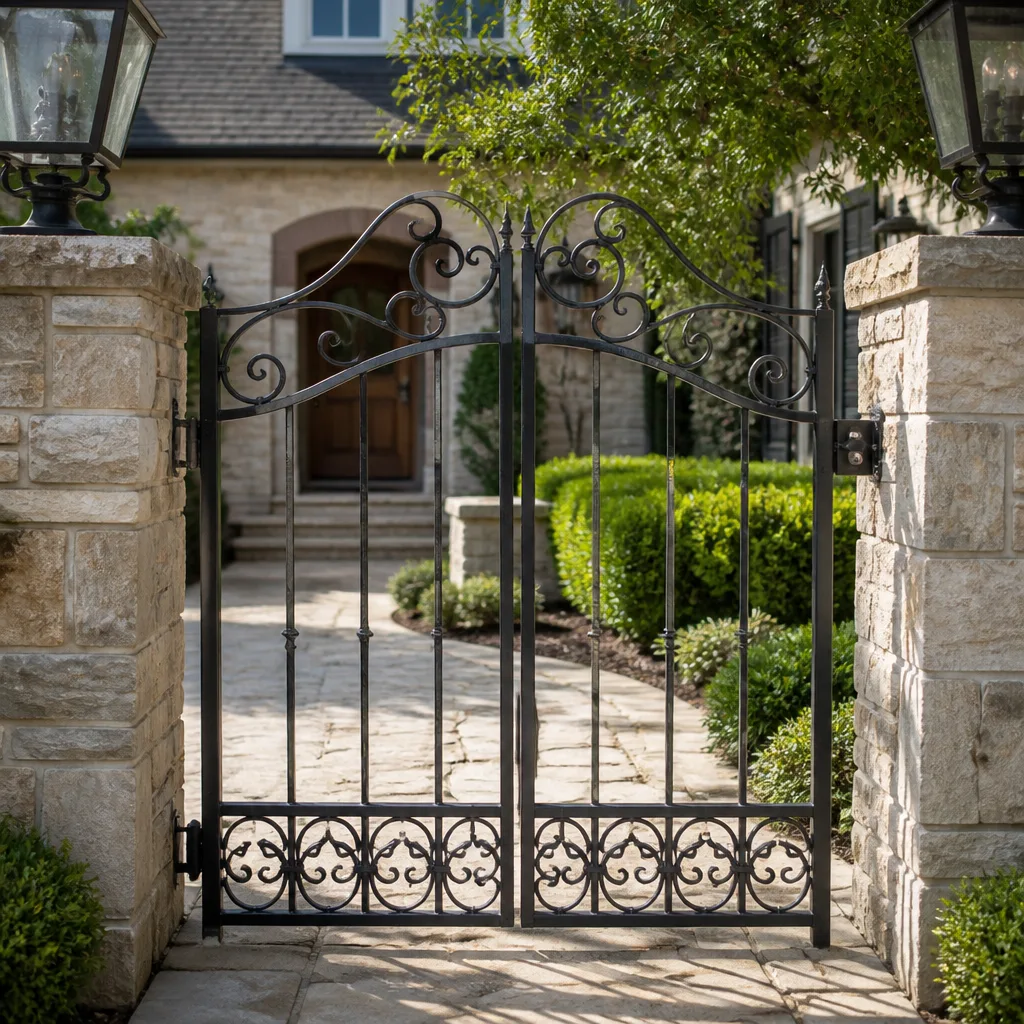 Wrought iron
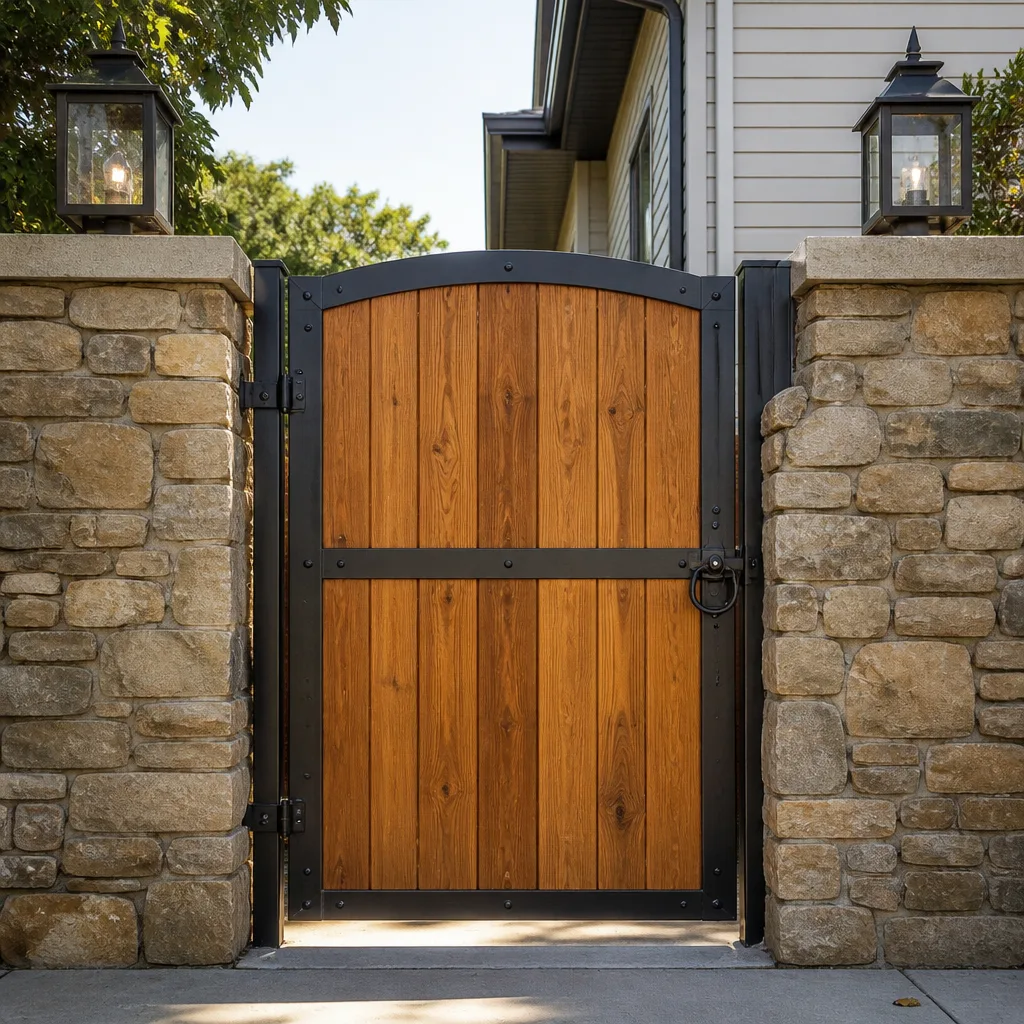 Wood & steel frame
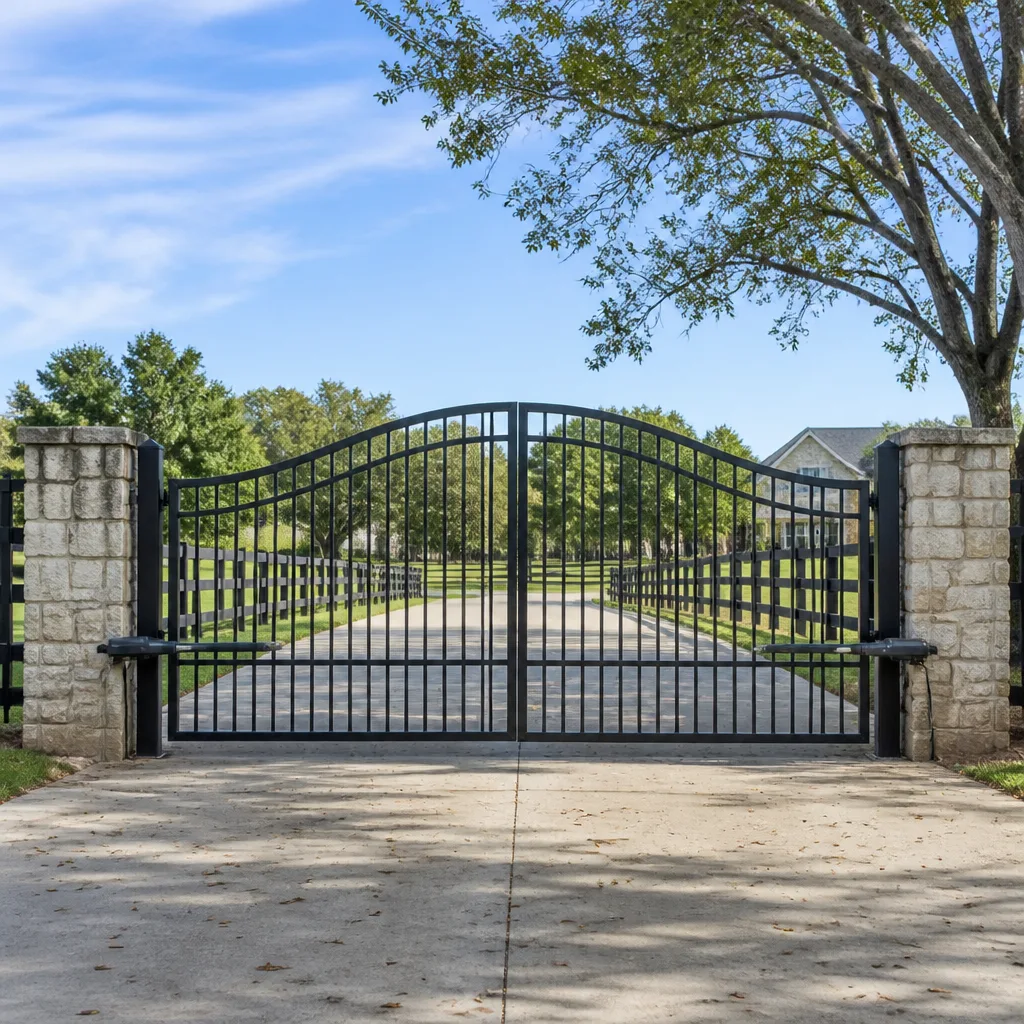 Farm & ranch
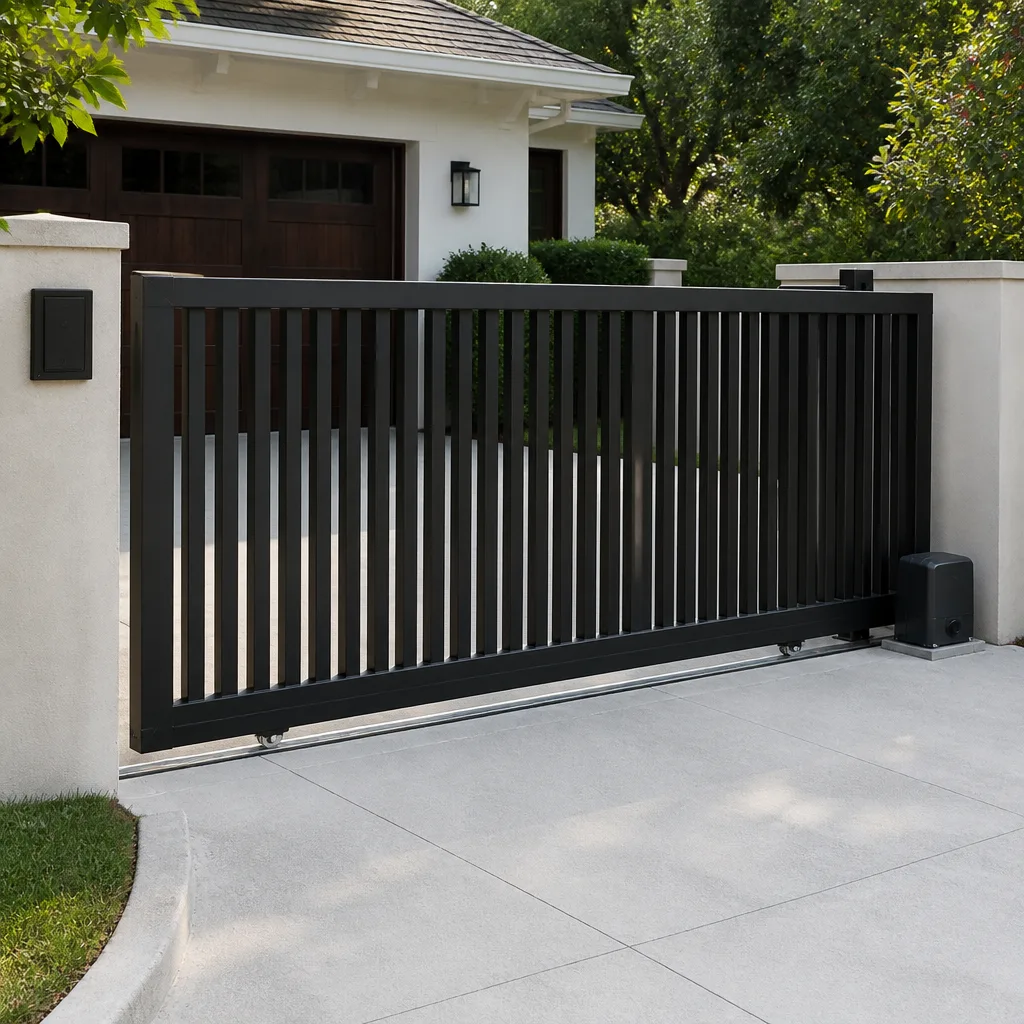 Sliding driveway gates
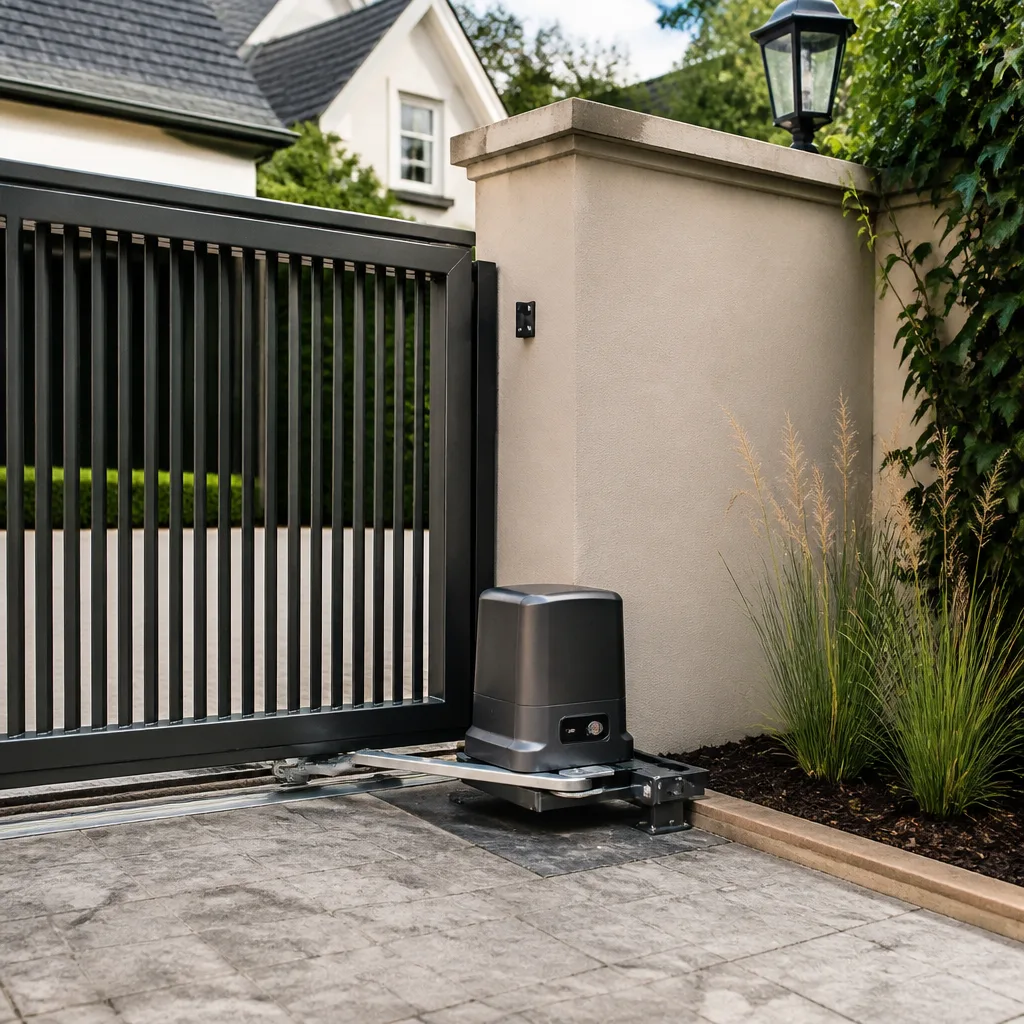 LiftMaster operators
Free on-site gate assessment - hinges, posts, and your LiftMaster or Nice gate operator checked before anything is quoted
The assessment is free and the quote is the invoice.
Get your free estimateThe Complete Guide to Gate Repair in Fairfield
A gate that won’t close all the way is rarely a latch problem. It’s almost always a hinge or post issue that has progressed far enough to stop the latch from lining up. Homeowners in Fairfield call us about latches every week, and most of those calls end with us explaining that replacing the latch alone would put the same problem right back on the calendar within months. This guide maps each common gate failure back to the chain that caused it, so you understand what you’re actually fixing before anyone touches the hardware. You’ll learn how post movement stresses hinges, how inland heat and Tule fog treat wood and steel differently than the coastal Bay Area, when to repair versus automate, what a real quote covers, and which problems are safety-critical today. This is written for people who want a straight answer, not a sales pitch.
Quick Answer
Most gate problems in Fairfield trace back to four root causes: post movement, hinge wear, pivot or track misalignment, and operator or wiring faults on automated gates. Diagnosing the cause rather than the visible symptom is what separates a repair that lasts from one that comes back. A free on-site estimate from a gate specialist is the fastest way to know what you’re dealing with, and the price you agree to before work starts is the price you pay.
Styles & brands we work with
- Wrought iron
- Wood & steel frame
- Farm & ranch
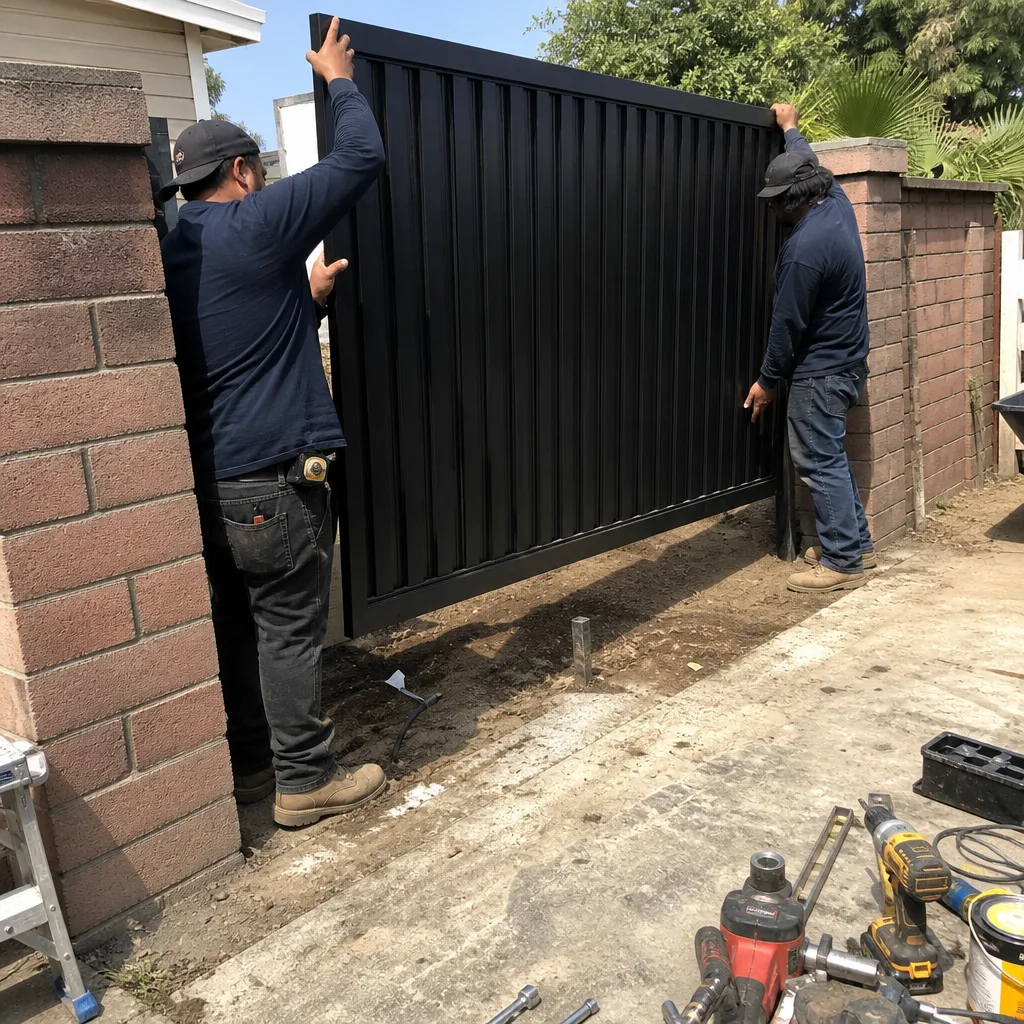
- Sliding driveway gates
- LiftMaster operators
Table of Contents
- Why Most Gate Repairs Start With the Wrong Diagnosis
- The Failure Chain: How Post Lean Causes Hinge Stress and Latch Misalignment
- How Fairfield’s Inland Heat and Tule Fog Age a Gate
- Manual Gate Repair vs. Electric Gate Repair: What Actually Needs Fixing
- When Adding Automation During a Repair Makes Sense
- What a Legitimate Gate Repair Quote Covers
- Repair Priority Triage: What’s Safety-Critical Today
- Keeping a Fairfield Gate Working Between Repairs
Why Most Gate Repairs Start With the Wrong Diagnosis
The visible symptom is the last thing to fail, not the first. A gate that scrapes the ground, drags on one hinge, or refuses to latch is reporting the end of a chain that started months earlier. When a homeowner in Fairfield tells us the latch is broken, we almost always find a post that has shifted, a hinge that has worn from carrying a load it wasn’t supposed to carry, or a pivot that has dropped a quarter inch over time. The latch simply stopped working once everything feeding into it drifted out of alignment.
Why does this matter to your wallet? Because the cheapest repair on the list is usually not the one that solves the problem. A new latch is inexpensive and takes minutes. But if you install it without addressing the hinge or post, the gate sags again, the latch misaligns again, and you’re making the same call within a season. That’s the pattern we see most often, and it’s completely avoidable once you know what to look for.
Here’s the order we work through on an on-site estimate:
- Look at the gate in its closed position and check for uniform gaps along the frame.
- Open and close it slowly by hand, watching whether the panel moves evenly or drops on one side.
- Check the post for plumb with a level, front to back and side to side.
- Test each hinge for play by lifting the gate at the outer edge.
- On automated gates, cycle the operator and watch where the gate binds against the track or pivot.
If all four of those first checks are clean, you’ve got a hardware or operator problem and the repair is straightforward. If any of them fail, that’s your root cause. Everything downstream of it is a symptom. For a broader look at how we approach this on site, our gate repair page walks through the full service.
The Failure Chain: How Post Lean Causes Hinge Stress and Latch Misalignment
Post lean is the most common root cause we diagnose in Fairfield, and it produces a record of symptoms that look like separate problems. The post moves a fraction of an inch, the gate panel hangs slightly out of square, the top hinge takes on more of the load than it was designed for, the hinge bushes wear faster on one side, the panel drops, and suddenly the latch misses its strike plate. The homeowner experiences “the latch is broken.” The specialist sees four linked failures and knows that fixing the first one resets the other three.
The same chain plays out in a few ways depending on your gate type:
- Swing gates on wood posts: the post takes on moisture, softens at the base, and leans incrementally. The hinge pulls out first because it’s the highest load point.
- Swing gates on metal posts: the concrete footing settles unevenly, or the post’s anchor points work loose. The gate panel drops without the post visibly moving.
- Slide gates: the track or the guide rollers wear unevenly, the gate drifts off center, and the operator strains to overcome the added resistance. The result shows up as operator faults, not track faults.
In our experience, the fix depends on the stage of the chain. Early on, a proper hinge replacement and post adjustment corrects everything at once. Later, the post footing itself needs to be reset or the track re-laid. On electric gates we see the same chain produce burned-out operators, because the motor has been fighting the mechanical drag for months before the failure. That’s why electric gate repair often starts with a mechanical inspection, not a control board swap.
If you’re hearing grinding at the operator, don’t assume the motor is the problem. It usually isn’t. The operator is reporting what the gate is doing, and the gate is usually doing it because something upstream is out of alignment.
How Fairfield’s Inland Heat and Tule Fog Age a Gate
Fairfield’s climate sits in a different stress category than the coastal Bay Area, and that matters for what fails first. Inland heat pulls moisture out of wood during the dry season, and the daily temperature swing works on expansion joints and sealant lines. Tule fog pushes that moisture back in over the cooler months. That cycle is gentle compared with coastal salt air, but it’s relentless on wood and steel over a full year, and it’s why we see certain failure patterns in Fairfield that we don’t see the same way elsewhere.
What that looks like in practice:
- Wood gates: the top rail and post cap check and split first because they dry out fastest. Joints at the bottom rail soften from sustained moisture, and hinge screws lose their bite before the wood looks rotten.
- Steel gates: rust starts at weld seams, hinge barrels, and the bottom rail where moisture sits. Surface rust is common; structural rust at a hinge point is a safety issue.
- Aluminum gates: the metal itself handles the cycle well, but the hinges, pivots, and any steel fasteners are where you see degradation first.
- Automated gates: the operator housing sees both temperature extremes and fog-driven moisture. Control boards and safety sensor connections are the components that suffer most.
The actionable takeaway for a Fairfield property owner: don’t judge a gate by what it looks like from the street. Push on it. Open it by hand. The heat and fog here do their work at the joints and fasteners, not the finish. If you’re wondering whether the issue you’re seeing is climate-driven or structural, the team at Gate Repair Fairfield can tell you in a single visit.
Manual Gate Repair vs. Electric Gate Repair: What Actually Needs Fixing
Electric gate repair is a different job from gate hardware repair, and most gate failures need both. That’s the part that trips people up when they call a general handyman, because the handyman can fix a hinge but won’t diagnose the operator, and a garage-door shop can replace a board but won’t fix the sag that burned it out in the first place. A gate specialist handles both ends of the system because on a working gate, both ends are responsible for the same failure.
Here’s how we split the two:
- Manual gate repair covers the physical gate: posts, hinges, pivots, latches, latches, stops, and the panel itself. Problems are mechanical and physical load related.
- Electric gate repair covers the operator, control board, safety sensor system, keypad or entry system, wiring, power feed, and remote or wireless control. Problems here often present as “the gate won’t move” but are frequently downstream of a mechanical bind.
The brands matter because each one behaves differently under stress. On the residential side we work regularly with Ghost Controls and Linear operators, which have their own error patterns and sensor behavior. On the commercial side we handle BFT and Viking systems, where the operator is heavy-duty but the failure points are the control board and safety loop wiring rather than the mechanical drive. Knowing that difference before you arrive is what makes an estimate accurate.
When we get to a Fairfield property, the sequence is fixed: mechanical first, operator second. We cycle the gate by hand. If it binds, that’s the problem, and we don’t spend your money on a control board for a gate that can’t move manually. If the gate moves cleanly by hand and the operator still fails, we move to the electrical side. That order saves money on most jobs.
Any diagnosis involving the operator, wiring, or power feed is a job for a trained technician. Electric gate operators connect to line power, and the wiring, sensors, and control boards carry genuine shock and fault risk. We don’t recommend opening the operator housing or touching wiring yourself.
When Adding Automation During a Repair Makes Sense
Adding automation during a manual gate repair is cost-neutral in about one situation: when the gate already needs hinge, post, or pivot work done and the mechanical foundation can carry an operator without modification. In that case, the labor for the repair is happening anyway, and adding a Ghost Controls or Linear operator means one site visit instead of two. The gate ends up upgraded at a price that would have been the same repair plus a separate install job.
It inflates the job in every other situation. If the post needs resetting, the panel needs bracing for the operator’s load, or the power run would require trenching that wouldn’t otherwise happen, the automation stops being cost-neutral and becomes its own project. That’s not a bad thing, it’s just a different decision, and it deserves its own quote.
Here’s the decision tree we use:
- Is the gate structurally sound enough to carry an operator? If yes, proceed. If no, the structural repair comes first, priced on its own.
- Is there existing power within reasonable reach of the operator location? If yes, the automation labor is modest. If no, plan for the power run as a line item.
- Are safety sensors included in the scope? They must be. An operator without functioning safety edges and sensors isn’t a finished installation.
- Does the operator brand match the usage? Light residential use and heavy commercial use call for different systems, and the wrong match shortens operator life.
If the answer on step 1 is no, stop and get the gate repair done first. We’d rather tell you to wait a season and get one proper job than sell you an operator the gate can’t carry. If you want the full picture on new installs, the Fairfield service overview is a good starting point, and our technicians have up to 12 years of experience diagnosing exactly these decisions.
What a Legitimate Gate Repair Quote Covers
A real gate repair quote covers the root-cause repair, not just the visible failure. It names the hardware or operator part being replaced, describes the adjustment work on the post, hinge, or track, and separates parts and labor. It also flags any related issue that could affect the repair without padding the job. What it does not do is list a “gate service call” line with no description, or quote a latch replacement without mentioning that the hinge alignment is the actual cause.
This is where non-specialist shops underbid, and the homeowner pays for the gap. A shop that mostly installs fences might quote you the cheapest possible fix without diagnosing the chain, and you’ll be calling again. A garage-door company might replace an operator without fixing the bind that burned it out. A general handyman might get the hinge on but leave the post lean untouched.
When you’re reviewing a quote for a gate in Fairfield, check for these:
- A written diagnosis of the root cause, not only the symptom.
- Separate pricing for parts and labor.
- A clear statement that the quoted price is agreed before any work starts.
- Any safety sensor or safety-edge work listed as its own item on automated gates.
- On brand-specific equipment, the brand and model called out in writing.
- A free estimate with no diagnostic fee and no trip charge.
Prices vary by gate type, condition, and part availability, which is why we don’t publish a flat rate. What we do commit to is this: the written estimate is the price, and nothing gets added after the fact without your approval. If you’re comparing quotes, the question to ask is simple: “What’s the root cause?” If the other shop can’t answer that, the number they gave you isn’t the whole cost.
Repair Priority Triage: What’s Safety-Critical Today
Not every gate problem is an emergency, and not every gate problem can wait. Below is the triage we use in Fairfield, sorted by urgency. It’s the same order we’d give our own family: safety first, function second, cosmetics last.
Safety-critical today:
- A gate that has come off its track or pivot and can swing or slide uncontrolled under its own weight.
- An automated gate with a failed or bypassed safety sensor, or a gate that closes on a person or vehicle path without reversing.
- A hinge that has pulled free or a post that has shifted enough that the panel is unstable.
- Loose panels or hardware that could fall.
Schedule within 30 days:
- A gate that closes but won’t latch, or hangs up on one side during part of its travel.
- Operator grinding or stalling that still eventually completes the cycle.
- A remote or keypad that works intermittently.
- Visible rust or wood rot at a hinge or post base.
Schedule within 30-90 days:
- Cosmetic rust, paint failure, or sealant deterioration.
- Noises that haven’t progressed to functional failure.
- Alignment issues that don’t affect operation or safety.
- Adding automation when the gate is otherwise sound.
If you’re not sure which bucket your gate falls into, call and we’ll help you sort it out over the phone. For anything in the top bucket, treat it as closed and locked until a technician inspects it. If you hear grinding or popping from a gate, don’t run it repeatedly to test it; the damage compounds with every cycle.
Keeping a Fairfield Gate Working Between Repairs
The single best thing you can do for a gate in Fairfield is exercise it by hand a few times a month. Push the gate along its full travel, listen for changes, and watch for uneven movement. The failure chain we described above takes months to develop, and a hand test catches it at the stage where the repair is smallest. You don’t need a toolbox. You need a habit.
A few more that make a measurable difference:
- Keep hinge points and pivot barrels clear of dirt and debris, especially after windy stretches.
- On automated gates, check that safety sensors aren’t blocked and that the gate reverses when it meets an obstacle. If it doesn’t, stop using the operator and get it looked at.
- Inspect post bases after heavy rain for softening, and look for new cracks or movement at the footing.
- On wood gates, keep the top rail and post caps sealed. That’s where the climate does its first damage.
- On steel gates, catch rust at the welds and hinge barrels early. Do not sand or grind at a hinge point without getting an inspection first.
Any inspection or adjustment that involves the operator, control board, or line wiring is a job for a trained technician. Same for anything that requires lifting or moving a panel that could fall. A gate is heavy, and the components under tension are under tension for a reason.
Common Mistakes to Avoid
- Replacing the latch without fixing the alignment. The latch is the last thing to fail and the first thing homeowners notice. If you replace it and the post or hinge is still out, the new latch will misalign within a season.
- Judging a gate by its finish. In Fairfield’s inland heat and Tule fog, the wood and steel may look fine while the joints and fasteners are already failing. Push on the gate and cycle it by hand before assuming it’s sound.
- Assuming a stuck electric gate means a bad operator. In our experience, the majority of stalled operators are fighting a mechanical bind that hasn’t been diagnosed. Replacing the operator without fixing the bind damages the new unit.
- Adding automation to a gate that can’t carry it. Automation is cost-neutral when the repair is already happening on a sound gate, and expensive when it isn’t. Get the structural work priced first.
- Accepting a quote that doesn’t name the root cause. If the quote only describes the symptom, the shop hasn’t diagnosed the problem and the estimate likely misses the real labor.
- Bypassing a safety sensor to keep the gate moving. This is the one mistake on the list that can cause real injury. An automated gate that doesn’t reverse is dangerous, and it needs a trained technician, not a temporary workaround.
- Running a gate that grinds to test whether it still works. Every cycle at a bind compounds the wear on the operator and hardware. Stop, and have it inspected.
See the difference
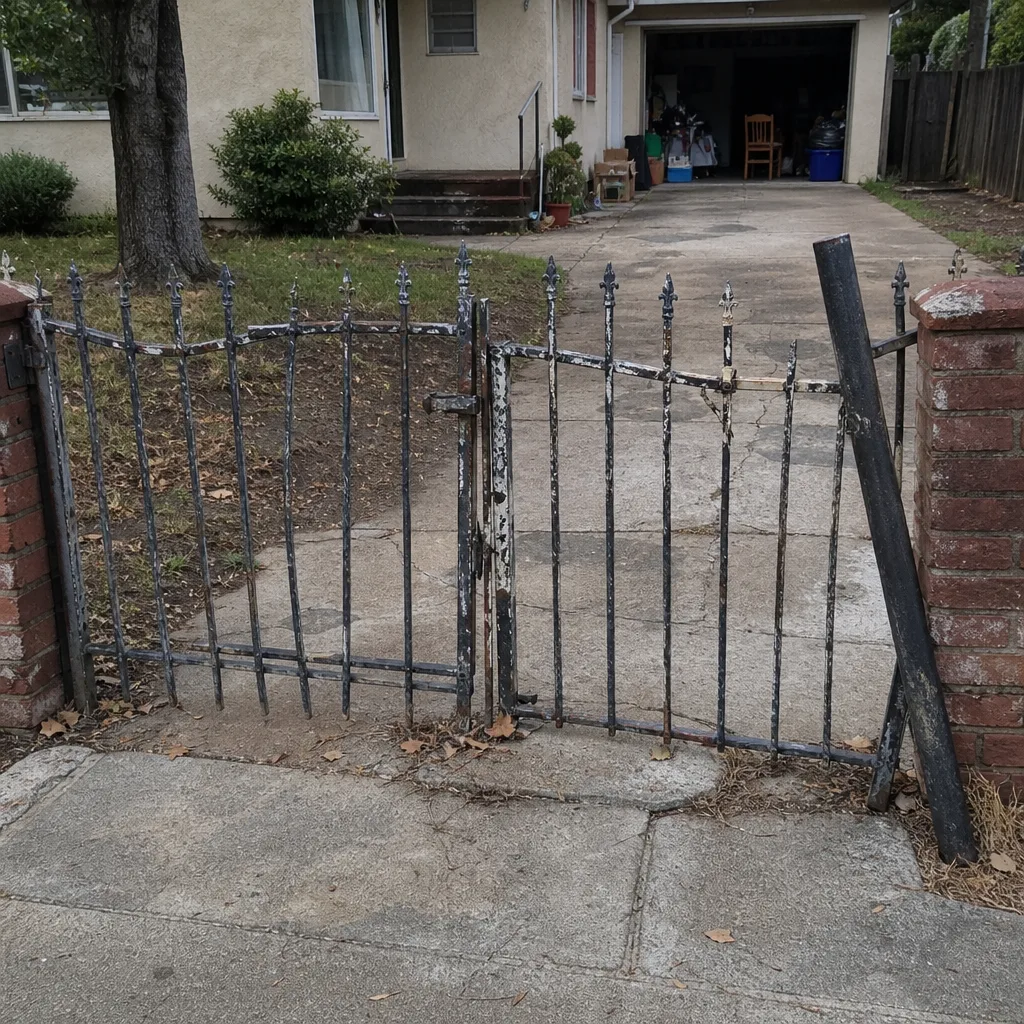 Before
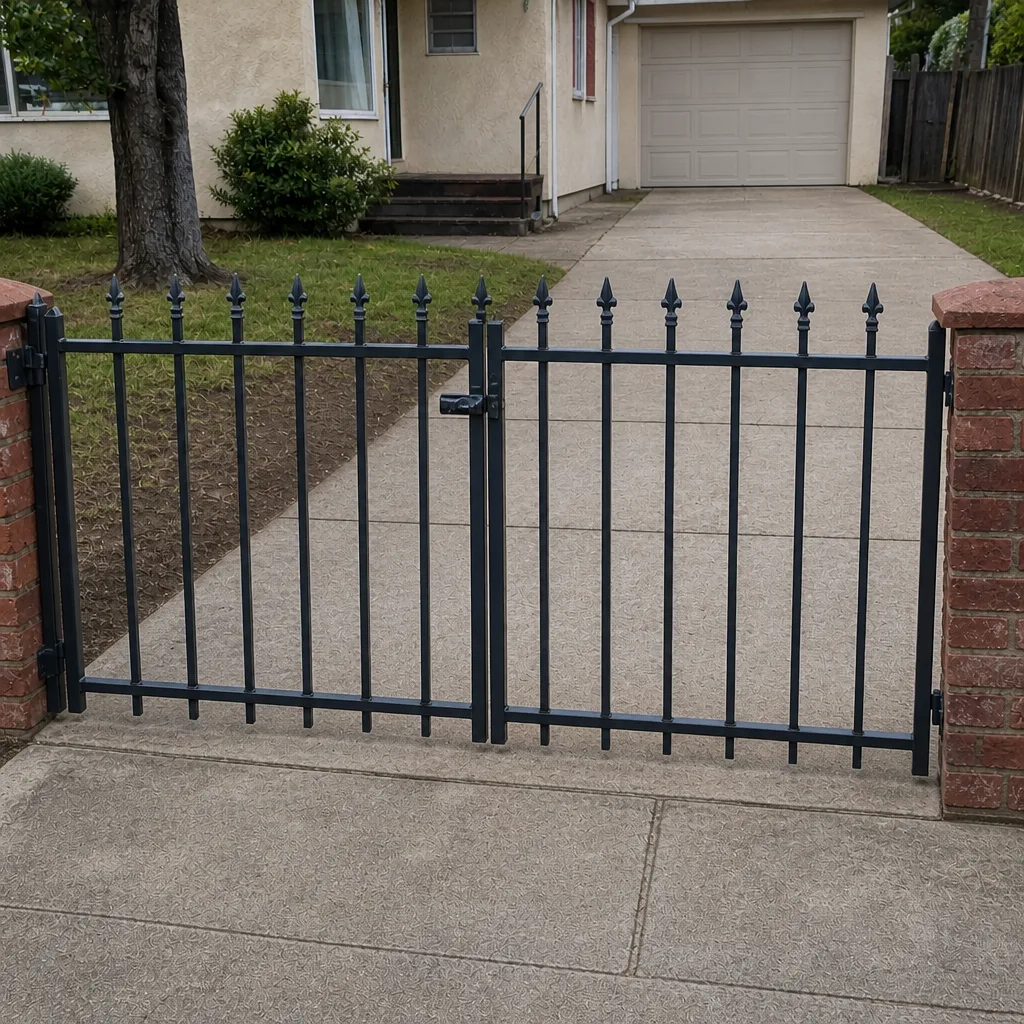 After
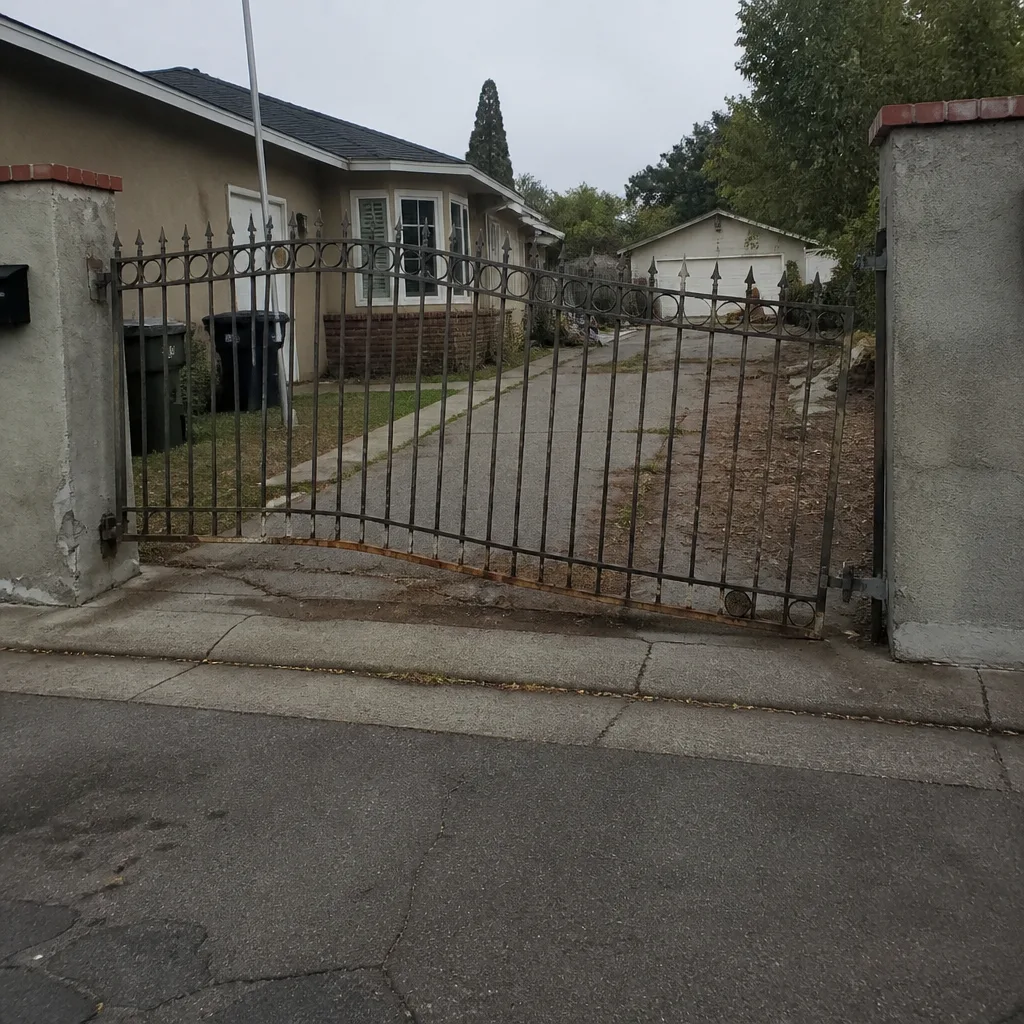 Before
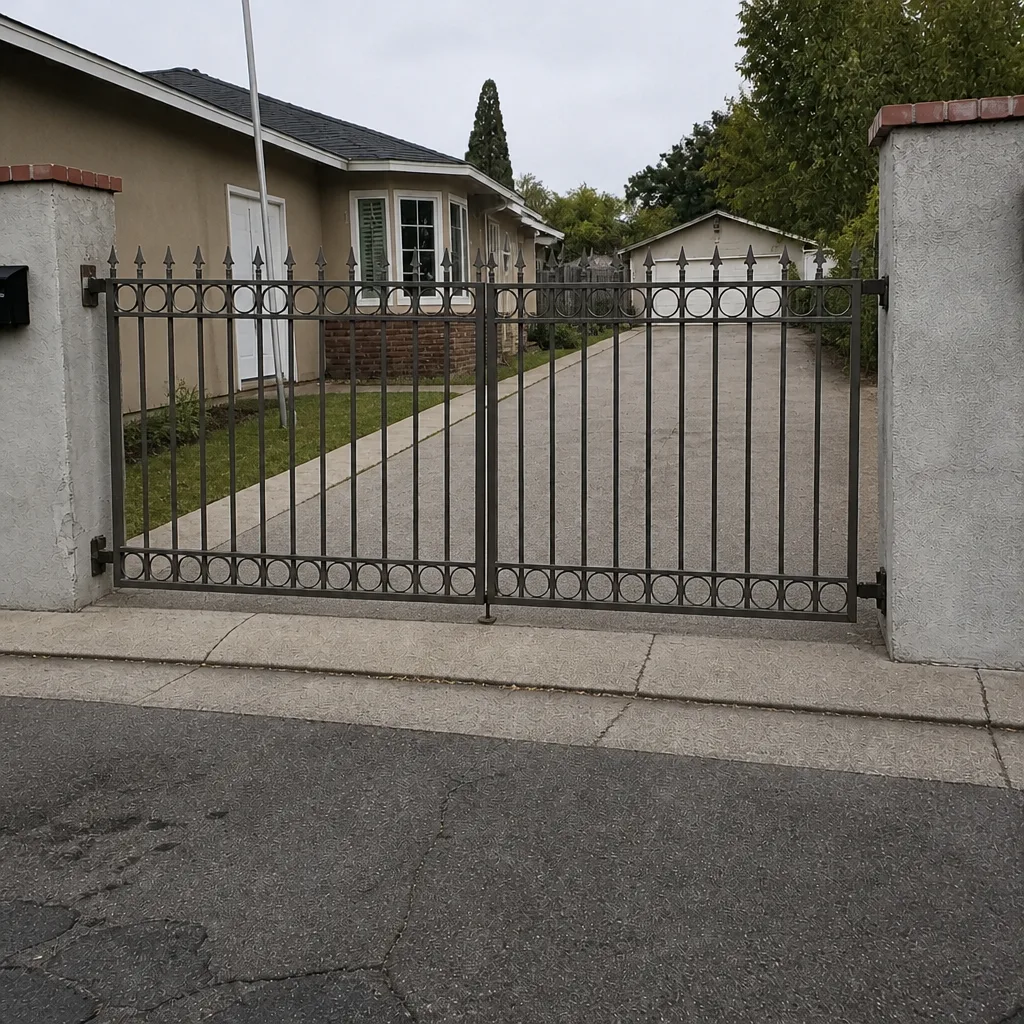 After
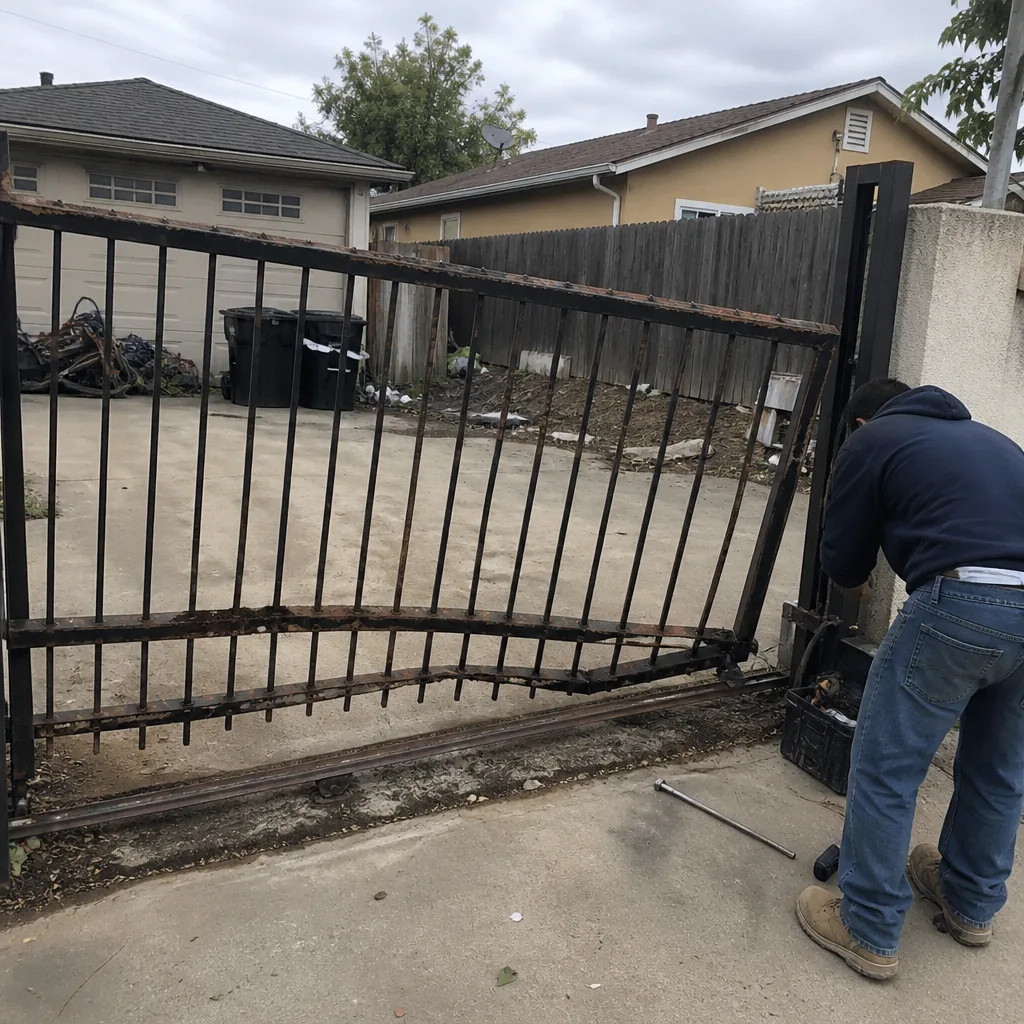 Before
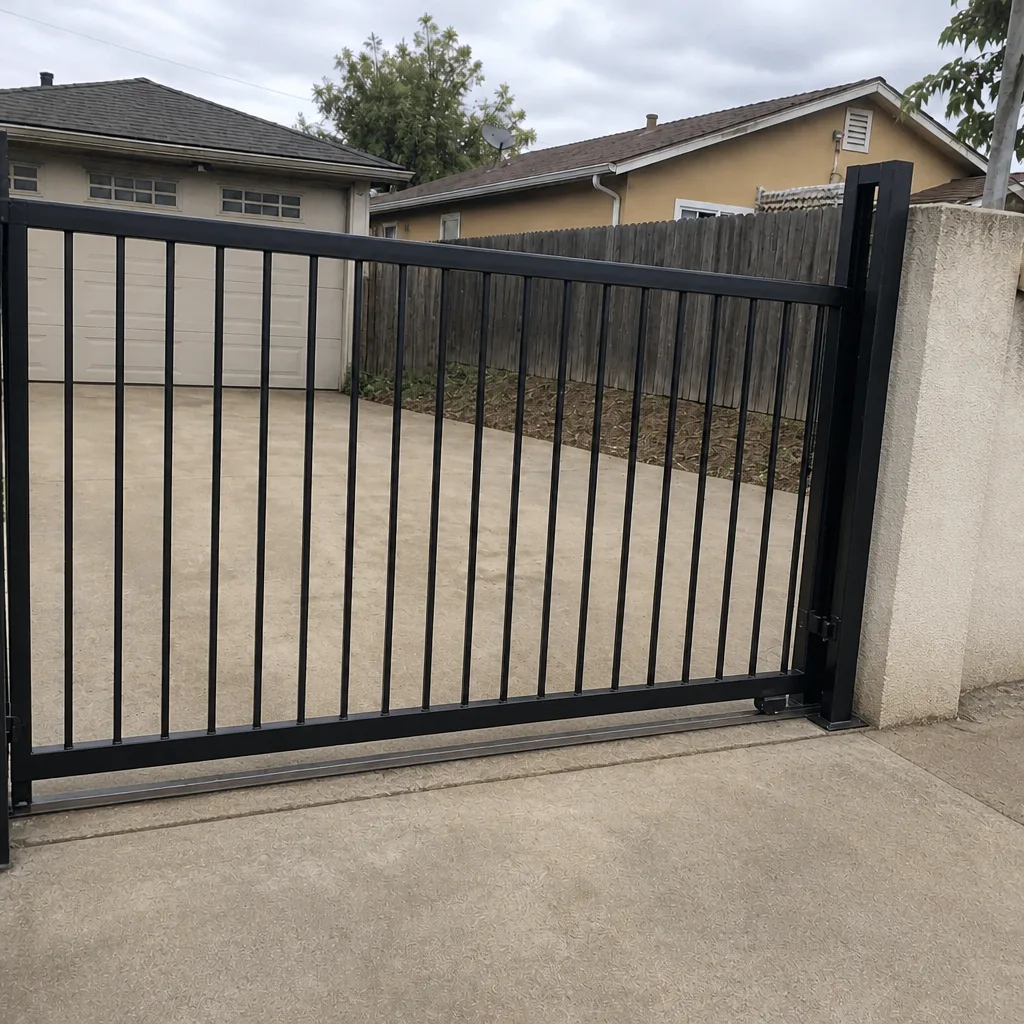 After
When to Call a Professional
Call a gate specialist when the gate has come off its track or pivot, when a safety sensor on an automated gate stops working or reverses, when an operator stalls or burns out repeatedly, when a post has shifted enough to change how the gate swings, or when you’re looking at adding automation to a manual gate and want a real diagnosis before spending money. Also call when a quote you’ve received only describes the visible symptom and not the cause; that’s a sign the shop isn’t diagnosing the chain and the price will grow once work starts.
If you’re not sure whether the problem is urgent, call and describe what the gate is doing. We answer 24/7. Fast dispatch from 7am to 7pm, Sunday through Friday, and a call outside dispatch hours is booked into the next opening. Gate Repair Fairfield offers free estimates in Fairfield. Call (888) 457-5442.
Frequently Asked Questions
The most common cause is a hinge or post issue that has pulled the gate out of alignment, not a failed latch. When the gate sags or drops on one side, the latch can’t reach its strike plate even though the latch itself is still working. A specialist can confirm the root cause on a free on-site estimate, and the price is agreed before work starts. Call (888) 457-5442 for an exact quote.
Gate repair pricing in Fairfield is set per job by a written estimate, because the cost depends on the root cause, the gate type, and the parts needed. We don’t publish flat rates, and the estimate is free, so the clearest answer comes from an on-site look. Call (888) 457-5442 and we’ll book a free estimate.
Yes. We handle both the mechanical gate and the electrical side, including the operator, control board, safety sensors, keypads, wiring, and remotes. On automated gates we diagnose the mechanical chain first, because an operator that fails is often fighting a bind that hasn’t been identified.
Yes. We work on operators from LiftMaster, FAAC, BFT, Linear, Viking, Ghost Controls, DoorKing, Elite, and Mighty Mule, covering residential and commercial systems. Knowing how a specific brand behaves under stress is what makes an estimate accurate before we arrive.
Repair is usually the right answer when the gate’s frame and structure are sound and the failure is in the hardware or operator. Replacement makes sense when the gate has structural damage that would require rebuilding more than repairing. A free estimate will tell you which side of that line you’re on, and there’s no pressure to replace what can be fixed safely. Call (888) 457-5442.
Yes. An automated gate that doesn’t reverse when it meets an obstacle is a safety risk to people and vehicles, and it should not be run until it’s inspected. This is not a job for a DIY repair, and safety sensors should only be serviced by a trained technician. We answer 24/7. Call (888) 457-5442 and we’ll get it scheduled.
The Bottom Line
Gate problems in Fairfield almost always come down to root cause versus visible symptom. A latch that won’t catch is usually a hinge or post issue, a stalled operator is usually a mechanical bind, and a gate that looks fine from the street may be failing at the joints and fasteners thanks to inland heat and Tule fog. Diagnose the chain, not the symptom. Ask any shop you call what the root cause is, and expect a written quote that covers it before work starts. If the answer isn’t clear, that’s the sign to call a gate specialist. Free estimates, and a straight answer on what’s actually wrong.
Call (888) 457-5442 for a free estimate. We answer 24/7. Fast dispatch from 7am to 7pm, Sunday through Friday.
Written by the team at Gate Repair Fairfield.