
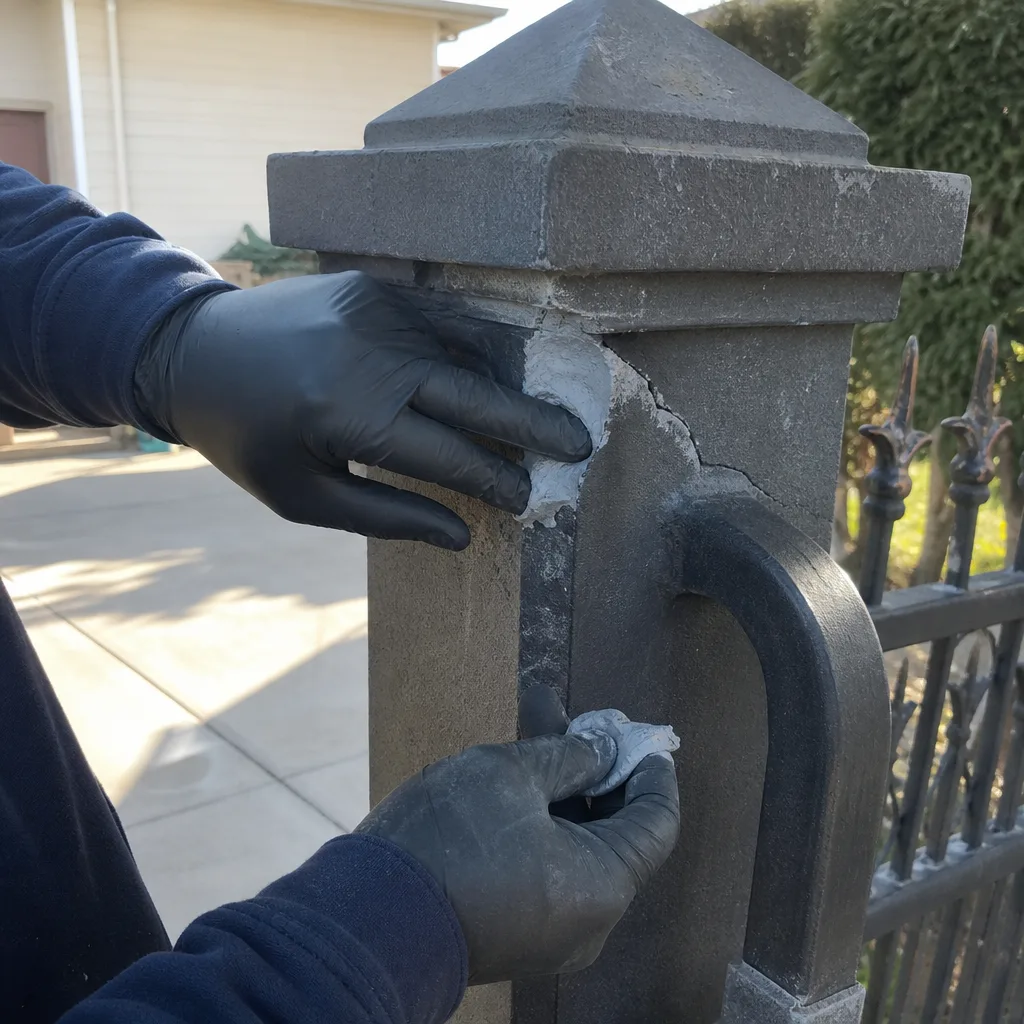
Last updated November 15, 2026
 Wrought iron
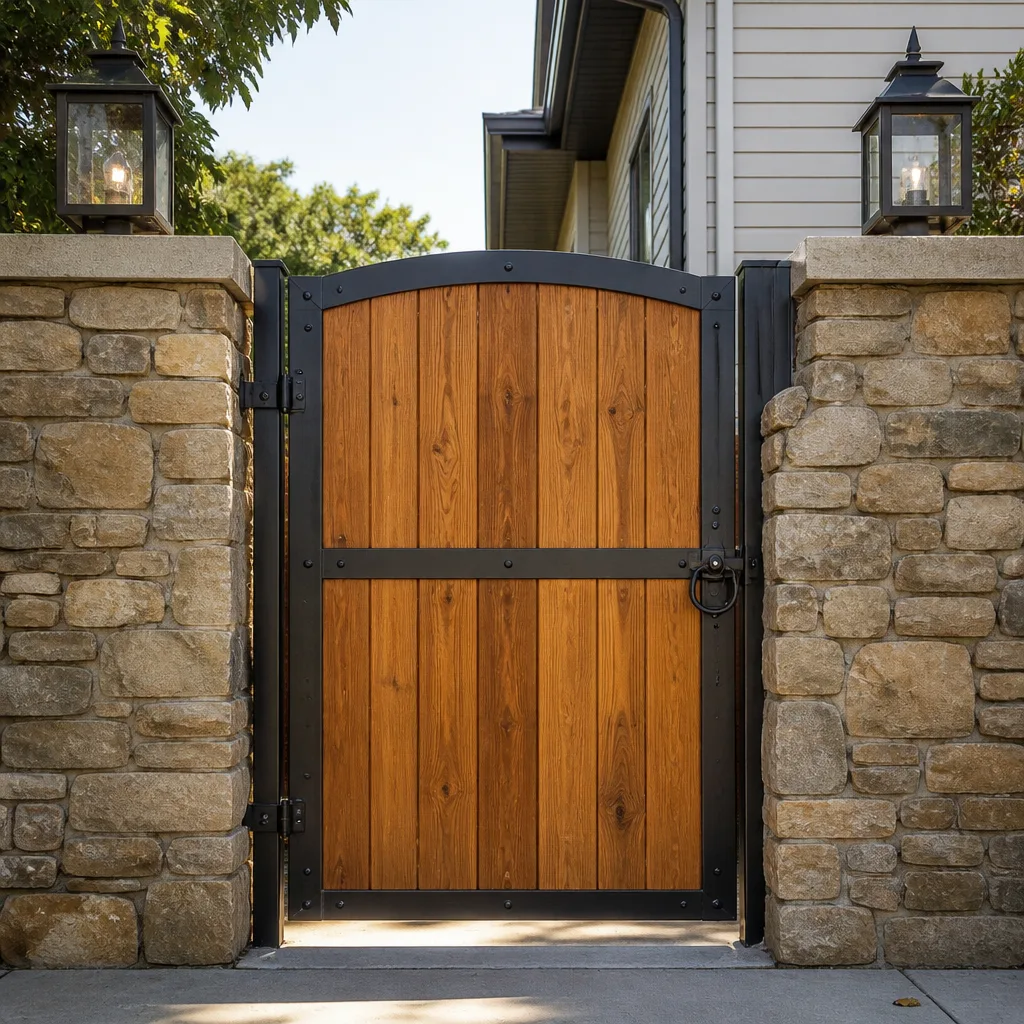 Wood & steel frame
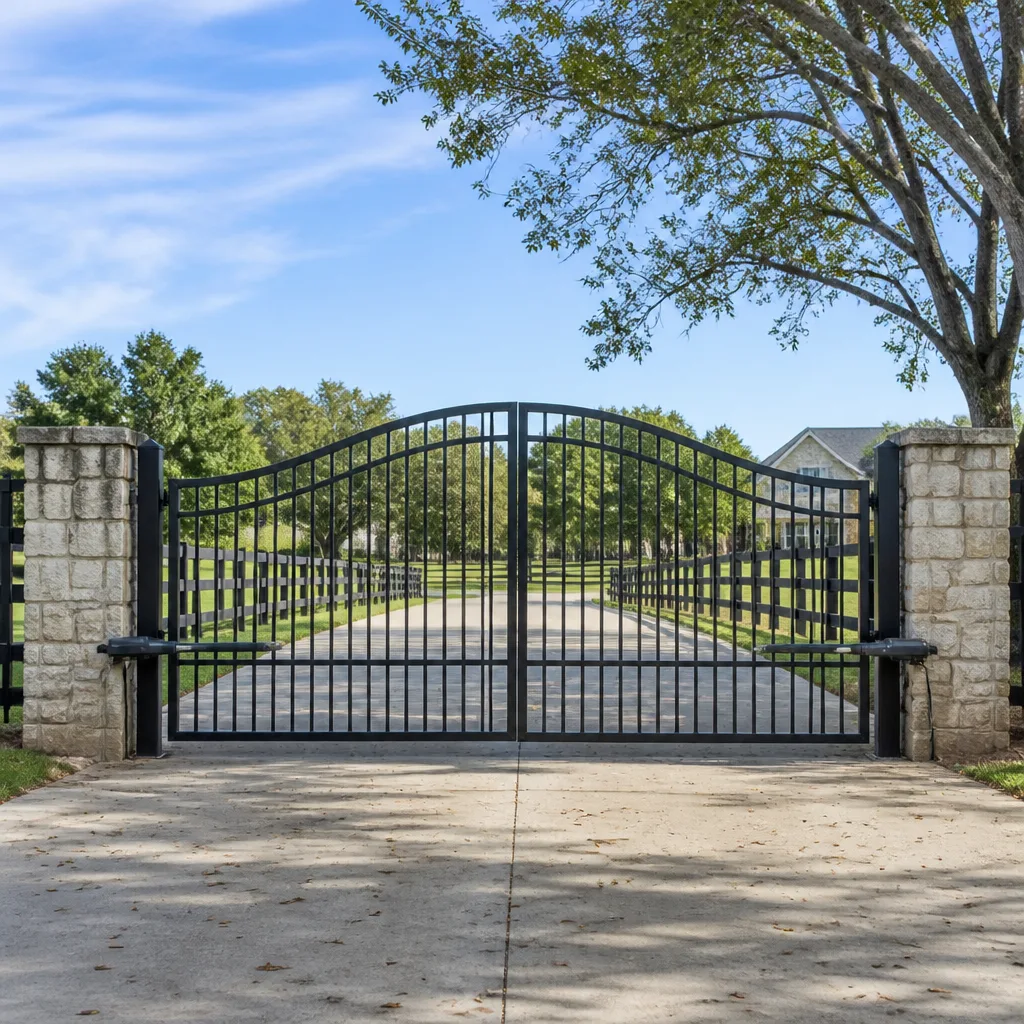 Farm & ranch
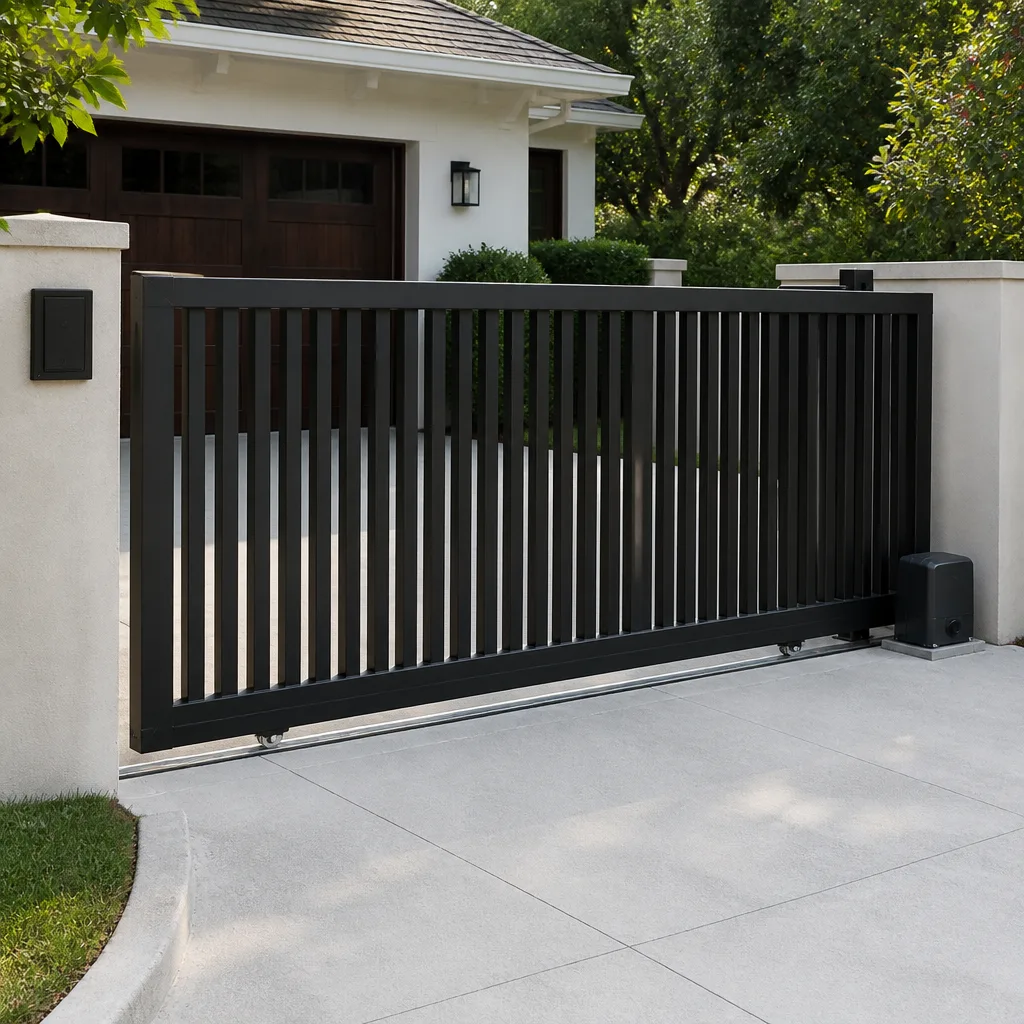 Sliding driveway gates
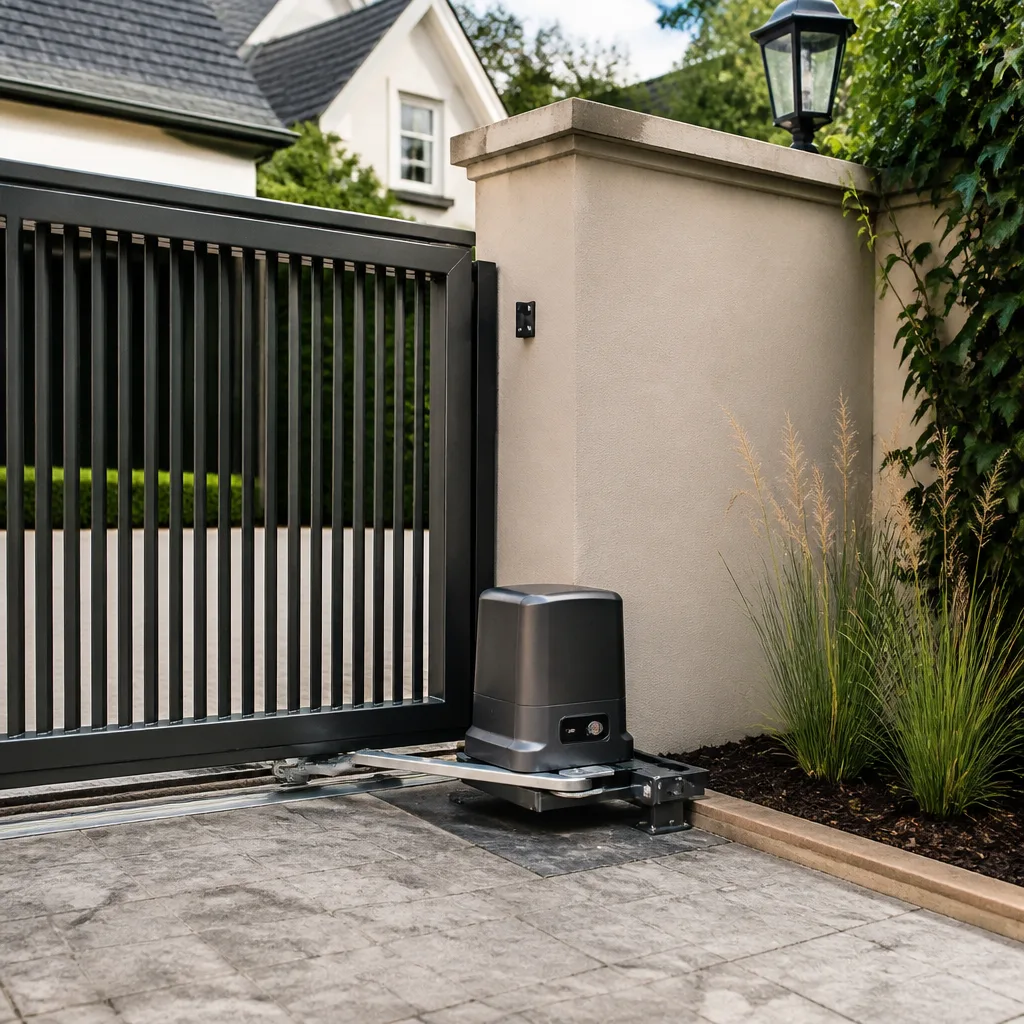 LiftMaster operators
Free on-site gate assessment - hinges, posts, and your LiftMaster or Nice gate operator checked before anything is quoted
The assessment is free and the quote is the invoice.
Get your free estimateSeasonal Gate Repair Care for Fairfield: Year-Round Homeowner’s Guide
The call we get most often in Fairfield starts the same way: “It worked fine yesterday.” Gate operator failures climb in July and August, but heat isn’t the real culprit. Repeated tripping of an operator’s thermal cutoff slowly wears the internal capacitor, and by the time the gate stops dead, that part has been failing for weeks. The same slow-burn pattern happens in winter fog and after the rainy season. This guide walks through what each Fairfield season does to a gate, what to check and when, and how to time repairs so a small fix doesn’t become a structural one.
Styles & brands we work with
- Wrought iron
- Wood & steel frame
- Farm & ranch
- Sliding driveway gates
- LiftMaster operators
Quick Answer
Seasonal gate care in Fairfield means four different jobs, not one annual task. Summer demands operator heat management, track expansion checks and UV inspection on vinyl and painted steel. Winter calls for moisture control on wood frames and electrical components as Tule fog settles in. Spring is a full walkthrough after the rains, and fall is the time to tighten posts and hinges before seasonal winds arrive. Adjusting automated gate sensitivity as temperatures swing keeps the motor from working harder than it should.
Table of Contents
- Why Seasonal Gate Care Matters in Fairfield
- Summer: Heat, Thermal Cutoff and Track Expansion
- Fall: Wind Stress on Posts and Hinges
- Winter: Fog, Condensation and Wood Moisture
- Spring: The Post-Rain Walkthrough
- Adjusting Automated Gate Sensitivity by Season
- What Different Brands Need in Different Seasons
- Year-Round Seasonal Checklist
- Common Mistakes to Avoid
- When to Call a Professional
- Frequently Asked Questions
- The Bottom Line
Why Seasonal Gate Care Matters in Fairfield
Fairfield doesn’t hand a gate one climate. It hands it four. A driveway gate on the north side of town may sit in dense winter fog for days while a gate a few miles away bakes through a 100°F August afternoon. Both are Fairfield conditions, and they break gates in completely different ways. Treating seasonal care as a single fall tune-up misses the specific vulnerabilities each season creates.
Most gates fail in stages, not all at once. A capacitor degrades over several weeks of repeated thermal cutoffs. A wood frame swells through the wet months and then shrinks in the dry heat, working fasteners loose in the process. A post that takes wind load all fall develops a lean you don’t notice until the latch stops lining up. Catching these in the right season costs a fraction of what the end-stage repair runs.
There’s also a safety angle homeowners tend to skip. A gate that closes harder than it should, or one whose sensitivity is set wrong for the current temperature, isn’t just inconvenient. The operator’s safety edges and sensors exist to reverse the gate on contact, and if they’re out of adjustment, that protection is compromised. We’ll cover sensitivity settings in their own section.
For property managers running a multi-family or commercial gate in Fairfield, the seasonal math is even tighter. High-cycle slide gates wear every component faster, and the same heat and moisture that stress a homeowner’s driveway gate hit an operator running dozens of cycles a day much harder.
This guide is written from a gate-only perspective. Every technician we work with handles gates, not a mix of trades, which means the advice here reflects how gates actually behave through a Fairfield year rather than general property maintenance rules. If you want the full picture of what a Gate Repair Fairfield service call covers, that’s the place to start.
Summer: Heat, Thermal Cutoff and Track Expansion
Summer is the season that quietly damages operators. When the motor’s internal temperature climbs past its limit, the thermal cutoff trips and the gate stops responding for a stretch. It resets, runs again, trips again. That cycle is the early warning. Repeated tripping stresses the internal capacitor, and a failing capacitor shows itself as a gate that moves slowly, stalls mid-travel, or hums without moving at all.
What to check through the hot months:
- Operator temperature. Feel the housing after a run. On an overheated unit, look at the control board, the motor itself and the settings. An electric gate repair visit here often catches the problem before the capacitor fails outright.
- Track expansion gaps. Metal track expands in the heat, and the gaps that fit correctly in spring can bind a slide gate in August. A track that sounds different or drags in the afternoon but runs clean in the morning is telling you something.
- UV degradation. Vinyl gates chalk and fade, painted steel lifts and rusts underneath, and plastic control enclosures go brittle. Inspect the gate surface and the enclosures where boards, sensors and keypads live.
- Sensors and wireless controls. Heat affects wireless keypads and remote receivers more than most homeowners expect, and it’s worth confirming the safety photo-eye still aligns cleanly when the housing is warm.
Our technicians have up to 12 years of experience with the way summer heat hits Fairfield operators, and the pattern is consistent: the capacitor is the part that fails, but the heat is the cause. The fix is straightforward once the board is diagnosed. But if a gate’s been tripping for weeks, don’t wait for it to quit. A call now is cheaper than a call later.
Fall: Wind Stress on Posts and Hinges
Fall in Fairfield brings seasonal wind, and wind puts every load point on a gate to work. Posts take the lateral load. Hinges take the repeated micro-strain every time the gate swings. Latch hardware takes the impact every close. A gate that’s been fine all summer can develop a lean or a sticky swing over a windy fall, and by the time it becomes obvious, the hardware is already worn.
Fall is the right time to prepare, before the wet season arrives and the wind picks up:
- Walk the gate through a full open and close and watch for any wobble at the post, sag at the outer edge, or rub at the latch.
- Check hinge bolts and lag screws for looseness. A hinge working itself out lets the gate drop, which then loads the operator if it’s automated.
- Inspect post footings and any concrete around the post base for cracks or movement. Posts need proper footing depth to hold up under load.
- Look at the latch and the striker. A gate that has to be nudged to close is usually complaining about tolerance drift.
- On a slide gate, watch the carriage and rollers as the gate moves. A slide gate that comes off track is one of the more serious gate failures, and it starts with worn components.
Fall tightens are quick jobs when done early. A loose hinge caught now is a bolt. A hinge caught after a season of wind is a hinge, and possibly a leaning post. If you’re in a commercial or multi-family setting with a high-cycle slide gate, this is the visit to schedule before cycle counts climb again.
Winter: Fog, Condensation and Wood Moisture
Winter in Fairfield means Tule fog, and Tule fog means condensation on every electrical component on your gate. Control boards, wiring connections, sensor housings, keypad contacts and the operator’s internal terminals all collect moisture. Fog doesn’t always break things directly, but it exposes weak seals, corroded connections and enclosures that let water in.
Winter problems fall into three groups:
- Condensation on electrical parts. If a keypad only works some mornings, or the gate reverses unexpectedly, moisture inside a connection is a strong suspect. An electric gate’s control board, wiring and sensor alignment all need checking.
- Wood gate moisture. Wood gates absorb water, swell and tighten, then shrink in the spring. That cycle works hinges, latches and joints loose season after season. Check for swollen stiles that bind, and any splitting where fasteners sit.
- Fastener corrosion. Exposed bolts and screws on metal gates corrode faster through the damp months. A quick look at the hinge plates, latch hardware and post brackets shows you where rust has started.
Our advice through wet months: don’t ignore small electrical quirks. A keypad that needs two presses, a remote that works from closer than it used to, a gate that hiccups in the morning fog. Each of those is a moisture symptom worth diagnosing, and it’s far cheaper to catch the connection than to replace a control board. If you want someone to check it, call (888) 457-5442. We answer 24/7. Fast dispatch from 7am to 7pm, Sunday through Friday.
Spring: The Post-Rain Walkthrough
Spring is the most valuable inspection of the year, because the rainy season has already done its work. The wet months are done emphasizing what the gate’s weak points are, and the dry season is about to stress everything a different way. A proper post-rain walkthrough catches hidden damage before it becomes structural.
Here’s the protocol we use, in order:
- Check the post base. Any evidence of movement, cracking concrete or a visible lean in the post itself. This is the foundation of everything above it.
- Look at the gate frame and welds. Rust starting at a weld joint or paint lifting at a seam is worth addressing before the frame weakens.
- Test hinges at the gate. Open and close by hand and feel for any grinding, wobble or catch. Automated gates have to be tested with the operator disengaged for this to be meaningful.
- Inspect the operator and control enclosure. Look for water intrusion, insect nests, and any sign the housing isn’t sealing.
- Test the safety edges and photo-eye sensors. Confirm the gate reverses on contact and that the beam interrupts cleanly.
- Check your remote, keypad and any access control. Keypads and remotes are the parts most often failing silently after a wet season.
- Verify the gate stops and starts smoothly and that it lines up at the latch.
Our experience with spring walkthroughs on a range of gate and operator systems is that roughly the same handful of items cause the majority of issues. Wood frames, electrical enclosures, hinges and post bases. Most of what a good spring inspection finds can be fixed on a single visit, and everything you find in spring saves you a bigger repair in August or January. If you work with a multi-family building or commercial site, this is also the right time to check operator cycle counts and confirm the gate is running as it should.
Adjusting Automated Gate Sensitivity by Season
An automated gate’s sensitivity is set to reverse on contact or resistance. That setting is a fixed number, but the forces the gate meets are not fixed. Cold thickens grease and stiffens components. Heat thins lubricants and expands metal. A gate that opens and closes cleanly in mild weather can feel sluggish in a hot afternoon or stiff in a cool winter morning. The operator interprets that change as resistance, and if the sensitivity is set too tight, it triggers a reverse.
What that means in practice:
- Don’t fight it with the setting. If the gate reverses in the heat, the answer isn’t to dial sensitivity down until it stops. That defeats the safety function. The track, rollers, hinges and operator load are where you look first.
- Use the temperatures as a diagnostic. A gate that only reverses in heat points to expansion, track binding or motor strain. A gate that only reverses in the cold points to stiff components, grease or a weakening operator. Both are telling you what to inspect.
- Adjust only after fixing the cause. Sensitivity should be set to a safe setting once mechanical conditions are correct, not used as a bandage on a mechanical problem.
- Confirm safety devices seasonally. The photo-eye sensors, contact edges and obstruction detection need to actually reverse the gate, tested at the temperatures where they’ll operate.
We work on the operator, control board, sensors and wiring, not just the visible hardware, and getting sensitivity right is part of any repair. From the operator to the hardware, the whole system has to work together. If you’re unsure about the current setting on a LiftMaster or Mighty Mule residential operator, or on a FAAC or BFT unit running a commercial gate, a service call settles it quickly. Estimates are free.
What Different Brands Need in Different Seasons
Different operators show seasonal stress in recognizable patterns. We work on gate repair across nine gate and operator brands, and knowing the quirks makes diagnosis faster and repairs more precise.
LiftMaster residential operators are the most common driveway gate units we see. Summer is when thermal issues show up, and the board and capacitor deserve a look if the gate’s been cutting out in the heat. Winter fog gives them occasional sensor issues, and a quick alignment check in spring clears most of those.
Mighty Mule units are reliable workhorses, but they’re sensitive to mounting alignment and to their own battery condition. In extreme heat, the control board can heat soak and behave erratically. Through winter, battery performance drops with temperatures, and a remote that needs to get closer is worth checking.
FAAC and BFT systems tend to run on commercial or larger residential gates, often high-cycle. Their real enemy is heat plus cycle count. A commercial FAAC slide gate in July needs the operator and control board checked for thermal issues and the track cleared of expansion-binding before the busy season ramps up.
What ties these together is that seasonal care isn’t a generic checklist applied equally. A residential swing gate on a LiftMaster operator has one exposure profile. A DoorKing access control system running a multi-family entrance gate has another. Whatever the gate, if it’s struggling through a Fairfield season, the answer is a diagnosis, not a guess.
Year-Round Seasonal Checklist
This is the short version you can post on the inside of a garage door or hand to a property manager. Each item is timed to the season where it catches the problem earliest.
Spring (after the rains):
- Full walkthrough, in the order listed in the Spring section.
- Post base, frame and weld inspection.
- Test safety edges and sensors.
- Clear the control enclosure and connections.
Summer (heat):
- Watch for repeated operator thermal cutoff.
- Check track expansion gaps on slide gates.
- Inspect UV damage on vinyl, paint and plastic enclosures.
- Confirm remote and keypad function in the heat of the day.
Fall (wind):
- Tighten hinges and latch hardware.
- Check post footings and tracking for movement.
- Inspect carriage and rollers on slide gates.
- Clear the track of seasonal debris before the wet season.
Winter (fog and moisture):
- Watch for electrical quirks first thing in the morning.
- Inspect wood gate frames for swelling and joint separation.
- Look at exposed fasteners for corrosion.
- Confirm operator enclosure seals and internal connections.
If you can hit each checklist once per season and act on what you find, a typical residential gate will avoid the majority of its breakdowns. For a commercial or multi-family gate, run the same checks plus a cycle count review.
Common Mistakes to Avoid
- Treating gate care as one annual task. A single fall tune-up misses the summer operator strain and the winter moisture problems entirely. Each Fairfield season breaks a gate a different way, and care has to match.
- Adjusting sensitivity instead of diagnosing the cause. Turning the setting down until the reverse stops defeats the safety function. Fix the mechanical problem and then confirm the setting is correct.
- Ignoring an early season warning. A morning gate hiccup during fog, or a slight slowdown in August, is telling you something. Early symptoms are the cheapest stage to fix.
- Over-tightening hinge and latch bolts. Hand tightening is usually right. Over-torquing can strip threads and split the post where a lag screw sits. If it’s loose, check why before you force it tight.
- Letting a track stay blocked. On a slide gate, expansion binding, debris and worn rollers can all stress the operator. A track that needs an occasional clearing will wear the operator out if left alone.
- Forgetting the safety sensors. Photo-eyes, contact edges and keypads all need confirming through the year and especially in the seasons where moisture and heat distort the housings. Test them, don’t assume them.
- Skipping the post base. A leaning post causes every other component on the gate to misbehave. Check the post first before chasing any other fix.
When to Call a Professional
Call a professional for anything involving an operator’s internal components, a control board, wiring, or a safety system you can’t confirm works. If your gate has stopped responding to the remote, throws itself into reverse, buzzes without moving, or gets hot fast in summer, those are all signs a diagnosis is the correct next step. Same goes for a slide gate that has come off its track, a post showing movement, a wood frame that’s splitting at a hinge, or any gate whose safety edges aren’t reversing on contact.
If you’re in the middle of a seasonal walkthrough and find anything you don’t want to touch, stop and get it checked. We offer free estimates in Fairfield. Call (888) 457-5442.
Frequently Asked Questions
Four times a year, once per season. Summer is the operator and track check, fall is the hinge and post tighten, winter is a moisture and electrical check, and spring is the full post-rain walkthrough. Each one catches the problems most common in that season.
Repeated thermal cutoff during heat. When the operator’s motor overheats, the internal cutoff trips and the gate stops. That cycle stresses the internal capacitor, and the gate eventually fails. If your gate has been tripping in the heat, call (888) 457-5442 for a diagnosis. Estimates are free.
Moisture is the issue, not the fog itself. Fog settles on control boards, sensor housings, keypads and wiring connections, exposing any weak seal. Seasonal electrical quirks – like a keypad that needs two presses in the morning – are the earliest sign it’s happening.
Not as a workaround. Sensitivity is a safety setting and should always be set to reverse on contact. Fix the mechanical issue causing the gate to feel different – track binding, hinge stiffness, lubrication – and then confirm sensitivity is safe. If the gate reverses unexpectedly, don’t just dial the setting down.
The spring walkthrough after the rains. Winter moisture swells wood, and spring is when you catch the joints, frames and hinges that have moved. Fixing those in spring is the cheapest point in the year to do it.
We work on equipment from nine gate and operator brands, from residential LiftMaster and Mighty Mule systems through commercial FAAC and BFT equipment. Call (888) 457-5442 with the brand and model in front of you. We answer 24/7. Fast dispatch from 7am to 7pm, Sunday through Friday.
The Bottom Line
Fairfield’s four seasons break gates in four different ways, and a single annual service misses most of it. Summer heats the operator into failure and expands the track. Fall stresses posts and hinges with seasonal wind. Winter delivers fog that works into every electrical connection and swells wood gates. Spring is the moment to catch the hidden damage from the rains before it becomes structural. Match the care to the season, adjust sensitivity only after the mechanical problems are fixed, and act on the early symptoms. That’s the difference between a gate that runs through another Fairfield year and one that leaves you on the phone in the middle of August. Call (888) 457-5442 for a free estimate. We answer 24/7. Fast dispatch from 7am to 7pm, Sunday through Friday.
Written by the team at Gate Repair Fairfield.
See the difference
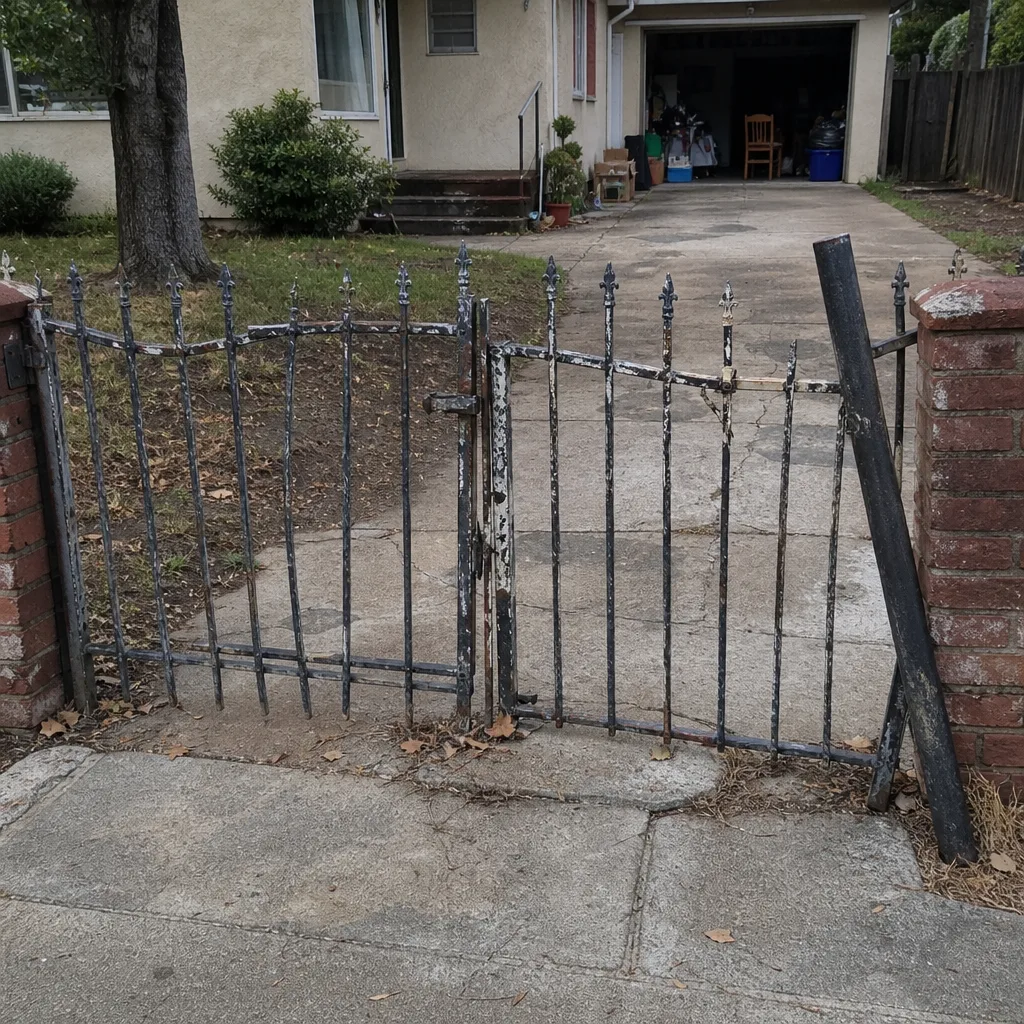 Before
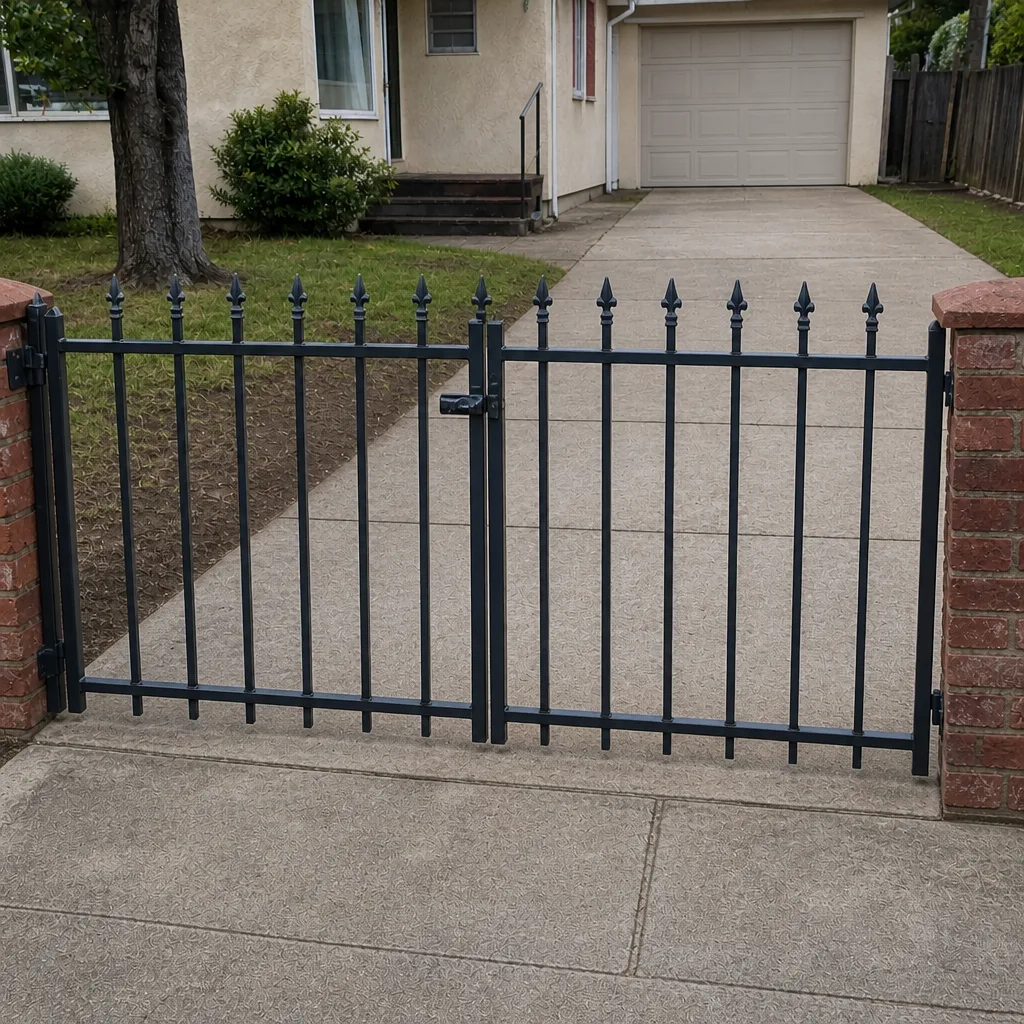 After
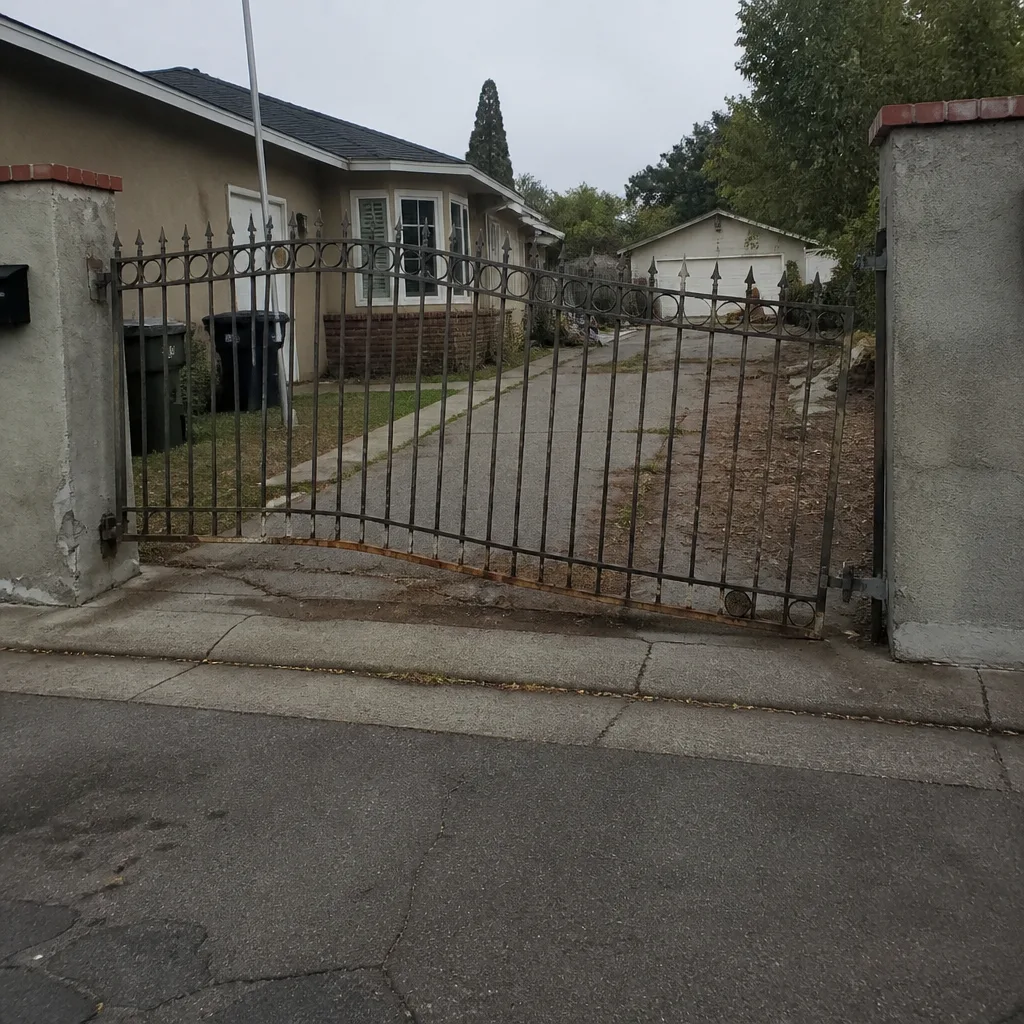 Before
 After
 Before
 After