
Last updated November 15, 2026
 Wrought iron
 Wood & steel frame
 Farm & ranch
 Sliding driveway gates
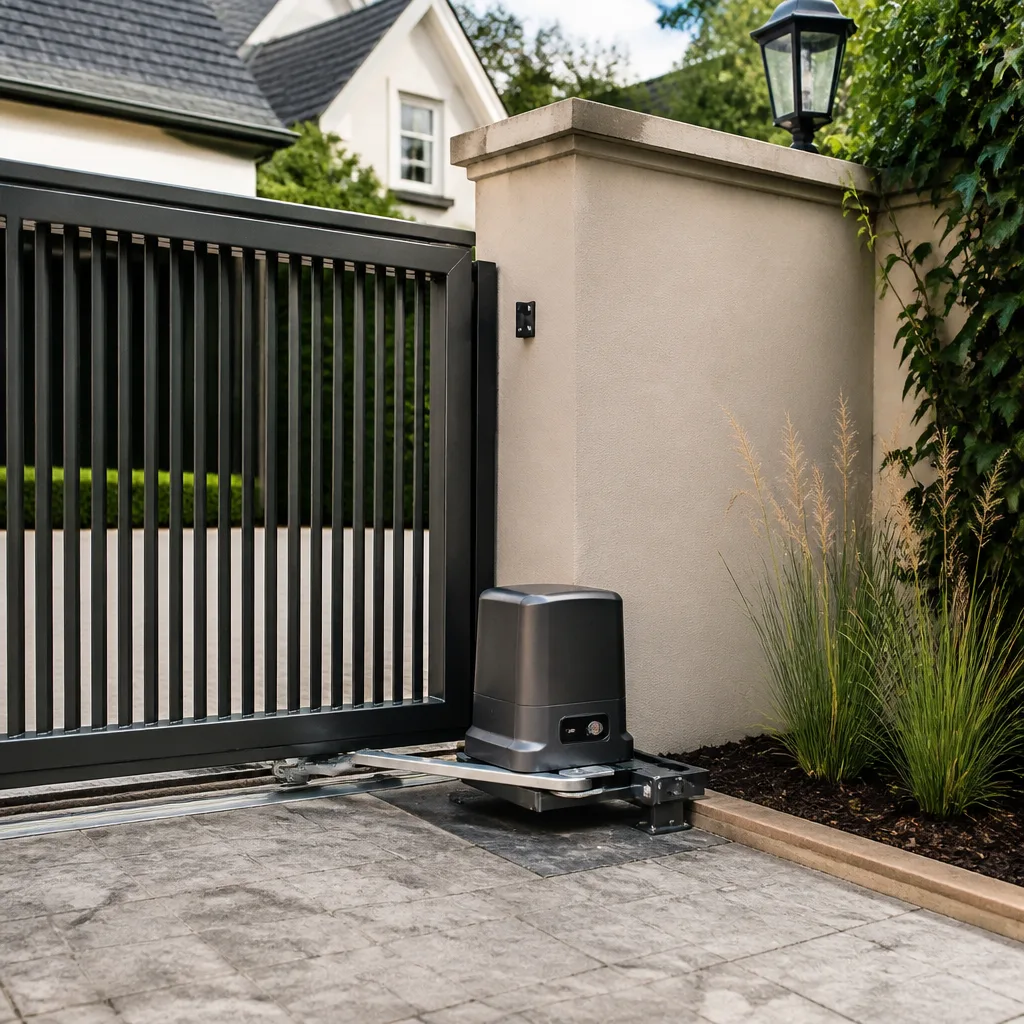 LiftMaster operators
Free on-site gate assessment - hinges, posts, and your LiftMaster or Nice gate operator checked before anything is quoted
The assessment is free and the quote is the invoice.
Get your free estimateGate Repair Maintenance Checklist for Fairfield Homeowners
WD-40 on a gate hinge is one of the most common homeowner maintenance mistakes. It cleans well but isn’t a lubricant, and it strips the protective film that slows metal oxidation. After it evaporates, your hinge is drier and more rust-prone than before you started. The same logic applies to every component on your gate: the wrong product, or the right product in the wrong place, does more harm than doing nothing. This checklist walks Fairfield homeowners through what to lubricate and with what, how often to inspect based on how your gate is exposed, which operator checks are safe to do yourself, and which tasks belong to a trained technician. You’ll also learn the early warning signs that predict a failure months before it happens, and how to document each inspection so patterns become visible.
Styles & brands we work with
- Wrought iron
- Wood & steel frame
- Farm & ranch
- Sliding driveway gates
- LiftMaster operators
Quick Answer
A gate maintenance checklist for Fairfield homeowners should cover five areas: lubrication by component (hinges, rollers, tracks, chains, and limit switches each take a different product), inspection intervals tied to sun and dust exposure, safe operator checks like testing safety sensors and manual release, early-warning indicators such as slow travel or intermittent remotes, and a photo log of each inspection. Lubricate hinges with a lithium or silicone grease, keep tracks clean and dry, and leave spring, wiring, and control board work to a trained technician. Inspect monthly in summer when dust accumulates and quarterly the rest of the year, adjusting for how much direct sun and street traffic your gate sees.
Table of Contents
- Why Generic Gate Maintenance Advice Fails in Fairfield
- Lubricant by Component: What Goes Where
- Inspection Intervals for Fairfield’s Climate and Exposure
- Operator Checks You Can Do Safely vs. What Needs a Technician
- Early Indicators That Predict a Failure 3-6 Months Out
- Documentation: What to Photograph and Log Each Inspection
- Seasonal Adjustments for Fairfield Gates
- Common Mistakes to Avoid
- When to Call a Professional
- Frequently Asked Questions
- The Bottom Line
Why Generic Gate Maintenance Advice Fails in Fairfield
Most gate maintenance checklists you’ll find online read the same: lubricate moving parts, check the hardware, call a professional if something breaks. That advice is technically true and practically useless. A hinge on a shaded gate and a hinge on a gate that faces the afternoon sun all day need different attention, and the product that helps one can hurt the other.
Fairfield adds its own variables. Summers here are dry and hot, and that matters for two reasons. First, heat expands metal and softens grease, so a product that works well in a cooler climate can thin out and migrate off the hinge in July. Second, dust. Gates near the street, near a driveway entrance, or anywhere with exposed soil collect a fine layer of grit through the dry months. That grit works its way into roller tracks and chain links and acts like sandpaper. A gate that gets no lubrication at all in a dusty environment sometimes lasts longer than one that gets the wrong lubrication, because a dry track at least sheds grit when the wind blows.
In our experience across Fairfield, the gates that fail earliest aren’t the neglected ones. They’re the ones that got enthusiastic but incorrect attention: motor oil on a track, WD-40 on every hinge, grease packed into a limit switch housing. Each of those choices accelerates wear on the component it was meant to protect. That’s why this checklist is organized by component and material, not by a single sweeping instruction. A gate is a system of parts that need different things, and treating it as one lump is how good intentions turn into repair bills. If you’d rather have a specialist look it over, gate repair starts with an on-site inspection and a written estimate before anything is touched.
Lubricant by Component: What Goes Where
This is the part most checklists skip. Here’s the component-by-component breakdown we use when we’re evaluating a gate that’s been maintained by the homeowner.
- Hinges (swing gates): Lithium grease or a silicone-based lubricant. Apply a small amount at the pivot point, work the gate back and forth a few times, and wipe off the excess. Lithium grease holds up better in Fairfield’s summer heat than thin oils, which run off. Don’t use WD-40 as a lubricant here; it’s a solvent and water displacer, and it leaves the hinge drier than it found it.
- Rollers (slide gates): Silicone spray, applied lightly. Rollers are usually sealed or shielded, and packing them with heavy grease attracts grit that wears the bearing faster. A thin film is enough.
- Tracks: No lubricant at all in most cases. Clean the track with a stiff brush and a dry cloth. Lubricant on a track turns it into a magnet for dust, which is the exact opposite of what you want in a dry, dusty climate. If your gate’s manufacturer specifies a dry-film lubricant for the track, follow that, but most residential tracks don’t need it.
- Chains (chain-drive operators): Chain and cable lubricant or a dedicated chain lube, applied sparingly. Chain lube is designed to penetrate the links and stay put. Motor oil flung onto a chain from a can is a common mistake and it drips onto the driveway within a week.
- Limit switches and control housings: Nothing. Limit switches are electrical components and shouldn’t be lubricated at all. Grease in a switch housing traps dirt and can interfere with contact. Keep them clean and dry, and if a limit switch is acting up, that’s a technician call, not a maintenance task.
- Locks and latches: Graphite powder or a dry PTFE spray. Wet lubricants attract dust, and dust in a lock cylinder is a stuck key waiting to happen.
One more thing: never mix products. If a hinge has old grease on it, wipe it off before applying new lubricant. Mixing a lithium grease with a silicone spray can create a gummy residue that does neither job well. We’ve seen this on Fairfield gates more than once, and the fix is usually just a proper cleaning and reapplication, not a replacement part.
If your gate is automated on an electric gate repair system, the operator manufacturer’s manual often specifies its own lubrication requirements for the drive mechanism. Follow that over any general advice, including ours.
Inspection Intervals for Fairfield’s Climate and Exposure
How often you inspect depends less on the calendar than on where your gate sits and what it’s made of. Here’s a schedule that accounts for the variables we see around Fairfield.
- Street-facing gates, full sun, summer: Inspect monthly. Dust accumulation on a street-facing gate is heaviest from June through September, and the heat accelerates lubricant breakdown. A gate that faces the afternoon sun and sits near the road is the hardest-working gate on the block.
- Shaded gates, inland or set back from the street: Every two to three months. Less dust, less heat stress, but watch for moisture retention in shaded areas after rain, which is the main driver of oxidation on metal components.
- Gates on a slope or near exposed soil: Monthly, with a focus on rollers and tracks. Wind-blown grit settles into the track and roller interface. This is one of the most common things we find on Fairfield gates that are otherwise well maintained.
- Wooden gates: Every two to three months, plus an annual finish check. Wood moves with seasonal humidity, so hardware can loosen as the material expands and contracts. Check gate sag and hinge tightness on the same schedule.
- Vinyl and composite gates: Every three months. These materials don’t rust but their hardware does, and vinyl can become brittle in sustained heat. Check hinge screws and latch alignment each time.
- Commercial and high-cycle gates: Monthly minimum, with a full operator inspection by a technician. High-cycle gates on a LiftMaster or DoorKing system accumulate wear far faster than residential gates, and the inspection interval should reflect the cycle count.
The general rule: the more sun, dust, and traffic your gate sees, the shorter the interval. If you’re not sure which category your gate falls into, walk outside and look at it at 4pm on a hot day. If the metal is too hot to hold your hand against, it’s in the high-exposure bracket and deserves monthly attention.
Operator Checks You Can Do Safely vs. What Needs a Technician
An automated gate has two halves: the gate itself and the operator that moves it. Homeowners can safely check some operator functions. Others involve electricity, stored mechanical force, or both, and those belong to a trained technician. Here’s the split.
Safe for homeowners:
- Test the safety sensors by placing an object in the gate’s path and confirming it stops or reverses. Do this monthly.
- Test the manual release: with the operator disengaged, confirm the gate moves freely by hand. It should swing or slide with moderate effort and no grinding.
- Check the remote range and battery. Intermittent operation often traces to a battery, not a board.
- Listen for changes in sound. A new rattle, grind, or hesitation during travel is worth noting before it becomes a failure.
- Visual inspection of the gate’s physical hardware: hinges, brackets, fasteners, and the condition of the gate panels.
Requires a technician:
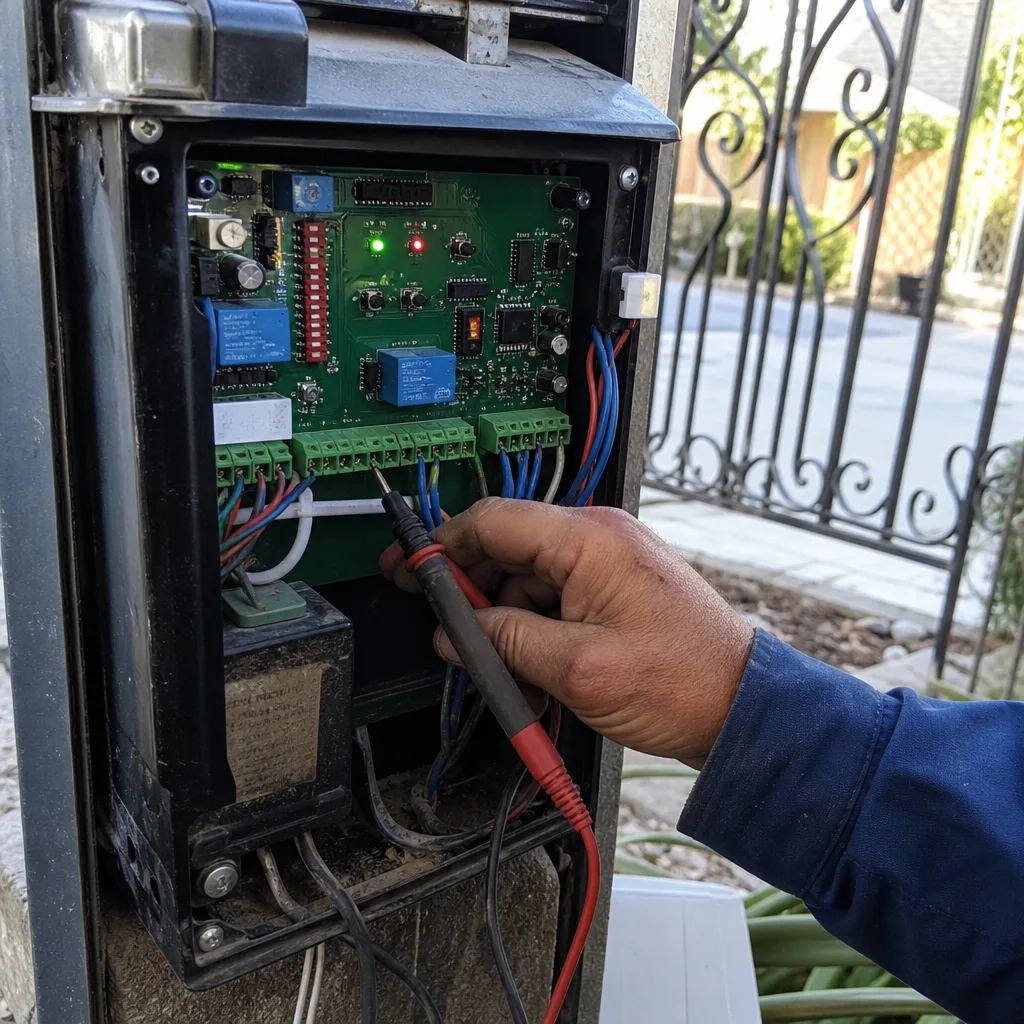
- Any work inside the operator housing, including the control board, wiring, and limit switches.
- Safety edge or photo-eye diagnostics that go beyond a simple obstruction test.
- Anything involving the power supply or the electrical run to the operator. This is a genuine electrical hazard, and an untrained person should not open a junction box or handle live wiring. A gate operator carries enough current to cause serious injury.
- Adjustment of the gate’s travel limits or force settings if they’ve drifted.
We work on the brands Fairfield homeowners actually have, including Ghost Controls, Mighty Mule, FAAC, and BFT, and the split above holds across all of them. When a homeowner tells us their operator “just started acting weird,” the answer is almost always in the second list. Call (888) 457-5442 for a free estimate. We answer 24/7, with fast dispatch from 7am to 7pm.
Early Indicators That Predict a Failure 3-6 Months Out
The signs that matter most are the ones that aren’t dramatic yet. By the time a gate stops working, it’s usually been telling you for months. Here’s what to watch for.
- Slow travel: If the gate takes noticeably longer to open or close than it did six months ago, the operator is working harder than it should. Causes range from a dry track to a failing gear, and the earlier you catch it, the less expensive the fix.
- Intermittent remote response: A remote that works sometimes and not others is often a battery, but if a fresh battery doesn’t fix it, the receiver or antenna is degrading.
- Visible gate sag: On a swing gate, a sagging corner means a hinge or post is giving way. Left alone, the gate will eventually drag and strain the operator.
- Squealing or grinding on a slide gate: Rollers wear gradually, and the sound changes before the motion does. A squeal that wasn’t there last season is a roller on its way out.
- Safety sensor hesitation: If the gate pauses or reverses on its own with nothing in the path, a sensor is losing alignment or the reflector is dirty.
- Photographable corrosion: Rust blooms at a weld or bracket start small and spread. A monthly photo makes the progression visible in a way that memory doesn’t.
These indicators are what separate a $200 repair from a $2,000 replacement. A roller replaced early is a routine maintenance item. A roller that fails completely can take the track with it. We’ve seen both outcomes on Fairfield gates, and the difference is almost always how soon the small sign was noticed.
Documentation: What to Photograph and Log Each Inspection
This is the step almost no one does, and it’s the one that pays off most. A photo log turns a series of one-off observations into a trend line, and a trend line is what a technician needs to catch deterioration before it becomes a failure.
- Photograph each hinge and bracket, close up. Same angle each time, so the photos are comparable. Date-stamp them if your phone doesn’t do it automatically.
- Photograph the full gate from the same position. This catches sag, alignment drift, and panel damage that’s hard to see up close.
- Photograph the track or the ground where the gate travels. Grit accumulation and wear patterns show up here first.
- Photograph the operator housing, control box, and any exposed wiring. You’re not diagnosing; you’re recording the condition so a technician can compare.
- Note the sound. A short voice memo of the gate opening and closing, recorded monthly, is surprisingly useful. You’ll hear a change in pitch before you see one.
- Log what you did. Date, product used, component lubricated. If a hinge starts squeaking, the log tells you when it was last serviced and whether the product held up.
When you call us for Gate Repair Fairfield service, that log helps our technicians spot a deterioration pattern in minutes instead of spending the visit guessing. It’s not required, but it makes the visit more precise. The estimate is free either way, and the price is quoted and agreed before any work starts.
Seasonal Adjustments for Fairfield Gates
Fairfield’s seasons are gentler than most, which means the maintenance calendar is less about winterizing and more about managing heat and dust. Here’s how the year breaks down.
Late spring and summer: This is the high-stress stretch. Dust accumulates, heat softens lubricants, and gates work harder. Inspect monthly, clean tracks more often, and check that lithium grease on hinges hasn’t thinned and migrated. If your gate is on the sunny side of the property, this is the time to be diligent.
Fall: Still warm, still dusty, but the acute heat is gone. Good window for a full inspection and re-lubrication before the wet season. Check for any corrosion that started over the summer and address it before rain accelerates it.
Winter: Mild and wet. Moisture is the main concern rather than cold. Shaded gates hold moisture longer, so watch hinges and brackets for early oxidation. This is also when intermittent electrical issues tend to surface, since moisture gets into connections that were fine in summer.
Early spring: The best window for a thorough inspection and any technician work. Find the worn roller or the loose bracket now, before the gate is working hard again. In our experience, a spring inspection is the single most cost-effective thing a Fairfield homeowner can do for a gate. It’s also the right time to book an on-site estimate if you’re considering replacing an aging operator.
Common Mistakes to Avoid
- Using WD-40 as a lubricant. It’s a solvent and water displacer, not a lubricant. On a hinge, it strips the protective film and leaves the metal drier. Use it to free a stuck bolt, never as ongoing maintenance.
- Greasing the track. In a dry, dusty climate, lubricant on a track turns it into a grit magnet. Clean the track, don’t lube it.
- Lubricating limit switches. They’re electrical components. Grease in a switch housing interferes with contact and traps dirt. Leave them alone.
- Skipping the safety sensor test. It’s a five-second check that confirms the gate will stop for a child or a pet. It’s the single most important monthly task on an automated gate, and it’s the one most homeowners skip.
- Ignoring a slow gate. A gate that’s slower than it was six months ago is telling you something is wearing. Waiting until it stops working turns a maintenance item into a repair.
- Mixing lubricants. Old grease plus new spray equals gummy residue. Wipe before you reapply.
- Opening the operator housing. The control board and wiring are a genuine electrical hazard. If the gate won’t respond, call a technician rather than opening the box. This is the one mistake on this list that can cause serious injury.
When to Call a Professional
Call a professional if your gate has stopped moving entirely, if the operator makes a new noise or hesitates during travel, if a safety sensor fails to stop the gate during a test, if you see rust spreading at a weld or bracket, or if the gate has sagged enough to drag. Call before you open the operator housing, and call if you’ve lubed and cleaned and the gate still isn’t moving smoothly. Those are the scenarios where a specialist visit saves money rather than adding to the bill. Gate Repair Fairfield offers free estimates in Fairfield. Call (888) 457-5442. We answer 24/7, with fast dispatch from 7am to 7pm, Sunday through Friday. Our technicians have up to 12 years of experience, and every visit is handled by a dedicated gate specialist, not a generalist.
Frequently Asked Questions
Lubricate hinges every two to three months in normal conditions and monthly in summer if the gate faces full sun or sits near the street. Rollers take a light silicone spray on the same schedule, and tracks should be cleaned, not lubricated. If your gate is automated on a liftmaster or FAAC operator, follow the manufacturer’s lubrication spec for the drive mechanism. Call (888) 457-5442 for an exact quote on any repair your inspection turns up; estimates are free.
No, WD-40 is a solvent and water displacer, not a lubricant. It cleans well, but it strips the protective film that slows oxidation, and after it evaporates the hinge is drier than before. Use lithium grease or a silicone-based lubricant on hinges, and reserve WD-40 for freeing a stuck bolt. If a hinge is already squeaking after cleaning and lubricating, the bearing may be worn, and that’s worth a professional look.
Homeowners can safely test safety sensors, check remote batteries, test the manual release, and visually inspect hardware. Anything inside the operator housing, the control board, the limit switches, or the electrical run to the gate requires a technician. That split matters: a gate operator carries enough current to cause serious injury, and the stored mechanical force in a gate system is genuinely dangerous. For electric gate repair in Fairfield, call (888) 457-5442. Estimates are free.
Slow travel, a new squeal or grind, intermittent remote response with a fresh battery, visible sag, and safety sensors that hesitate are the main ones. These show up three to six months before an outright failure. A monthly photo log makes the progression visible. If you notice two or more at once, book an on-site inspection rather than waiting. Call (888) 457-5442 for a free estimate.
Yes, mainly because of dry summer heat and dust. Gates that face the afternoon sun and sit near the street accumulate grit faster, which wears rollers and tracks. The climate is mild enough that winterizing isn’t the main event; managing summer dust and heat is. Inspect monthly through the dry season and quarterly otherwise, adjusting up if your gate is in a high-dust location. We work on gates across Fairfield and see this pattern consistently.
Usually no. Clean the track with a stiff brush and a dry cloth, and leave it dry. Lubricant on a track attracts dust, which is the opposite of what you want in a dry, dusty climate. If your gate’s manufacturer specifies a dry-film lubricant for the track, follow that, but most residential tracks don’t need one. A track that’s cleaned regularly will outlast one that’s been greased.
The Bottom Line
The best gate maintenance is specific: the right product on the right component, on a schedule that matches your gate’s exposure, with a photo log that turns observations into a trend line. Lubricate hinges with lithium grease, keep tracks clean and dry, never grease a limit switch, test your safety sensors monthly, and leave the operator and wiring to a technician. Watch for slow travel, new noises, and visible sag; those signs appear months before a failure. In Fairfield’s dry summer heat, monthly inspections through the dusty season are the highest-value habit you can build. Everything else follows from that.
Written by the team at Gate Repair Fairfield.
Call (888) 457-5442 for a free estimate. We answer 24/7. Fast dispatch from 7am to 7pm, Sunday through Friday.
See the difference
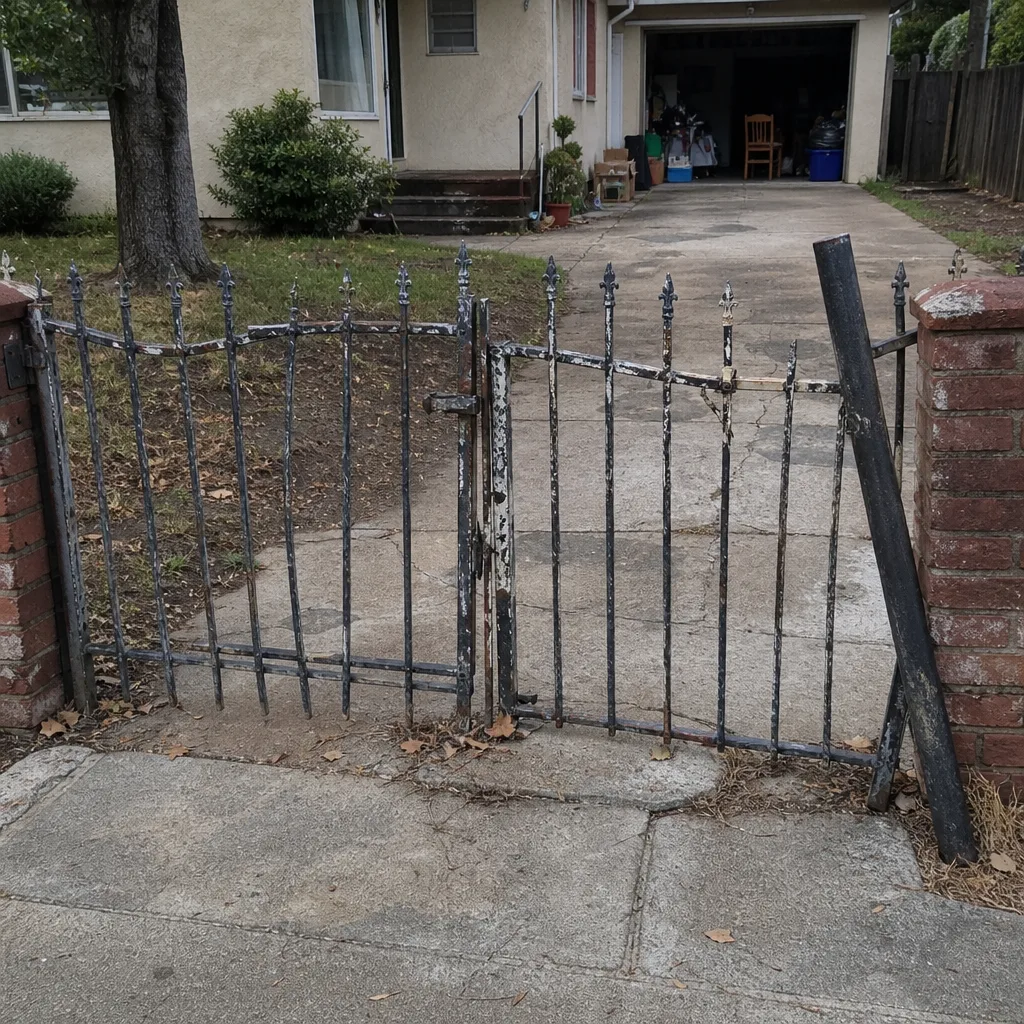 Before
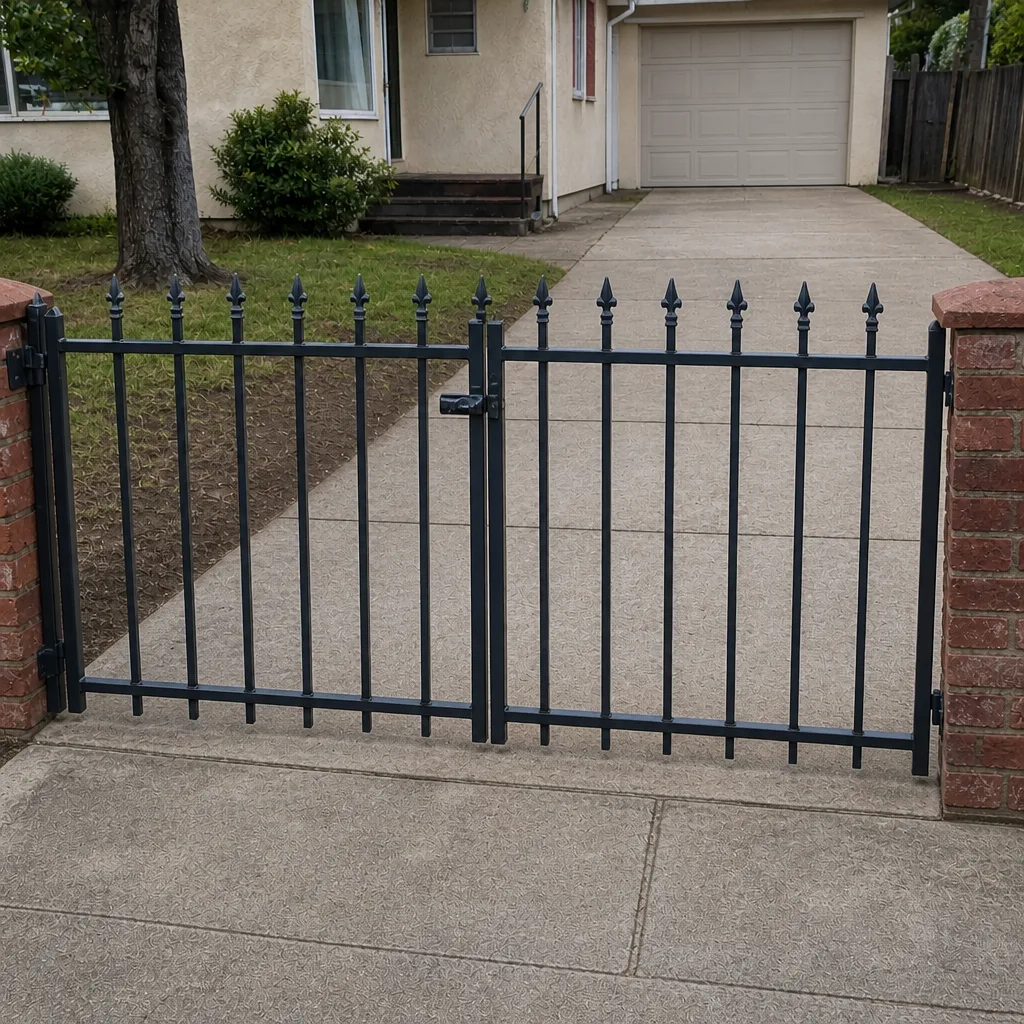 After
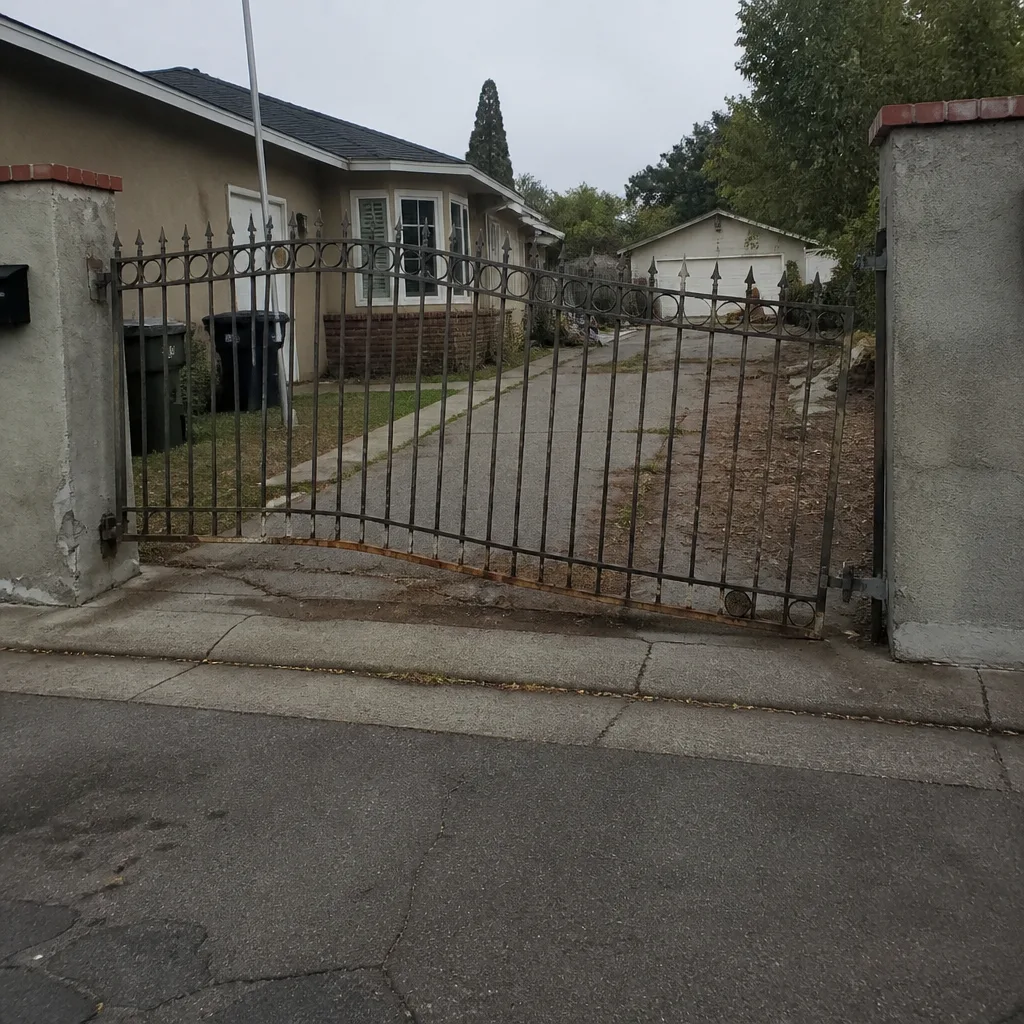 Before
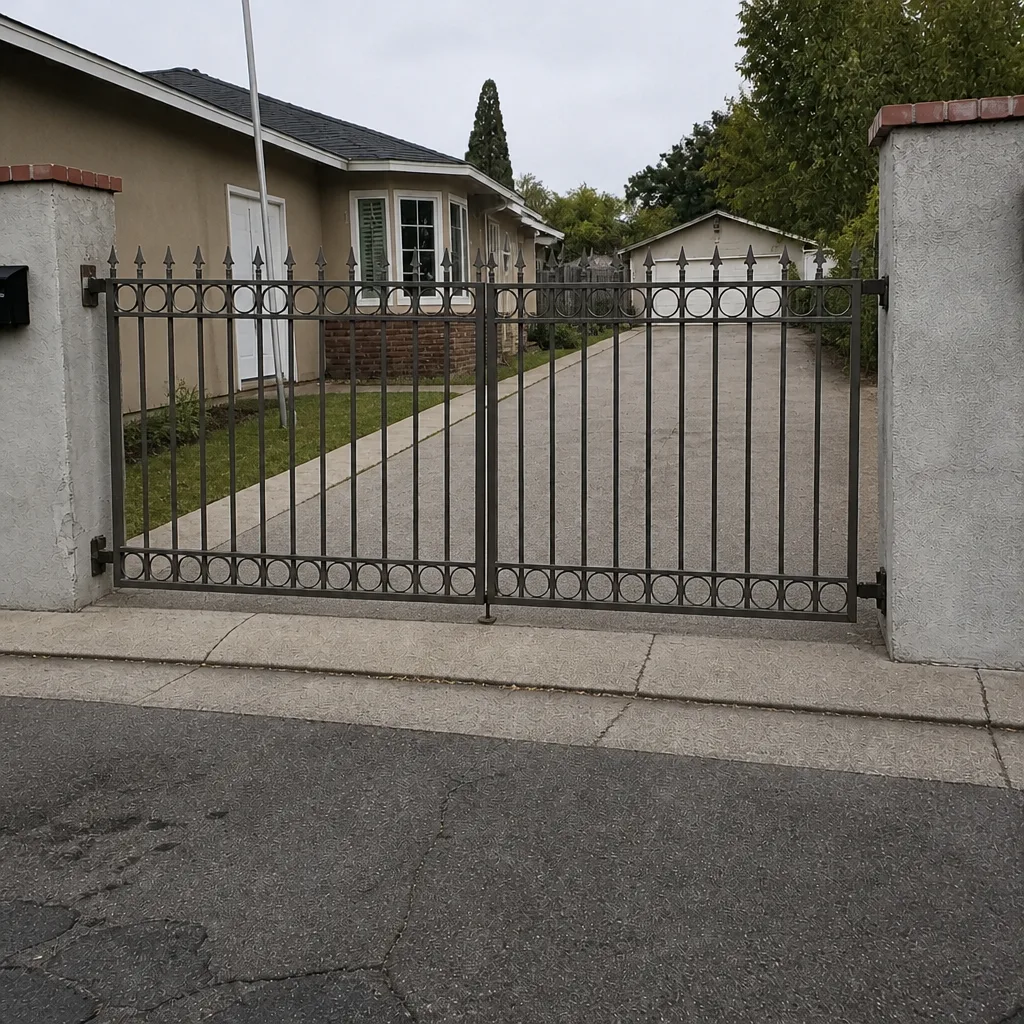 After
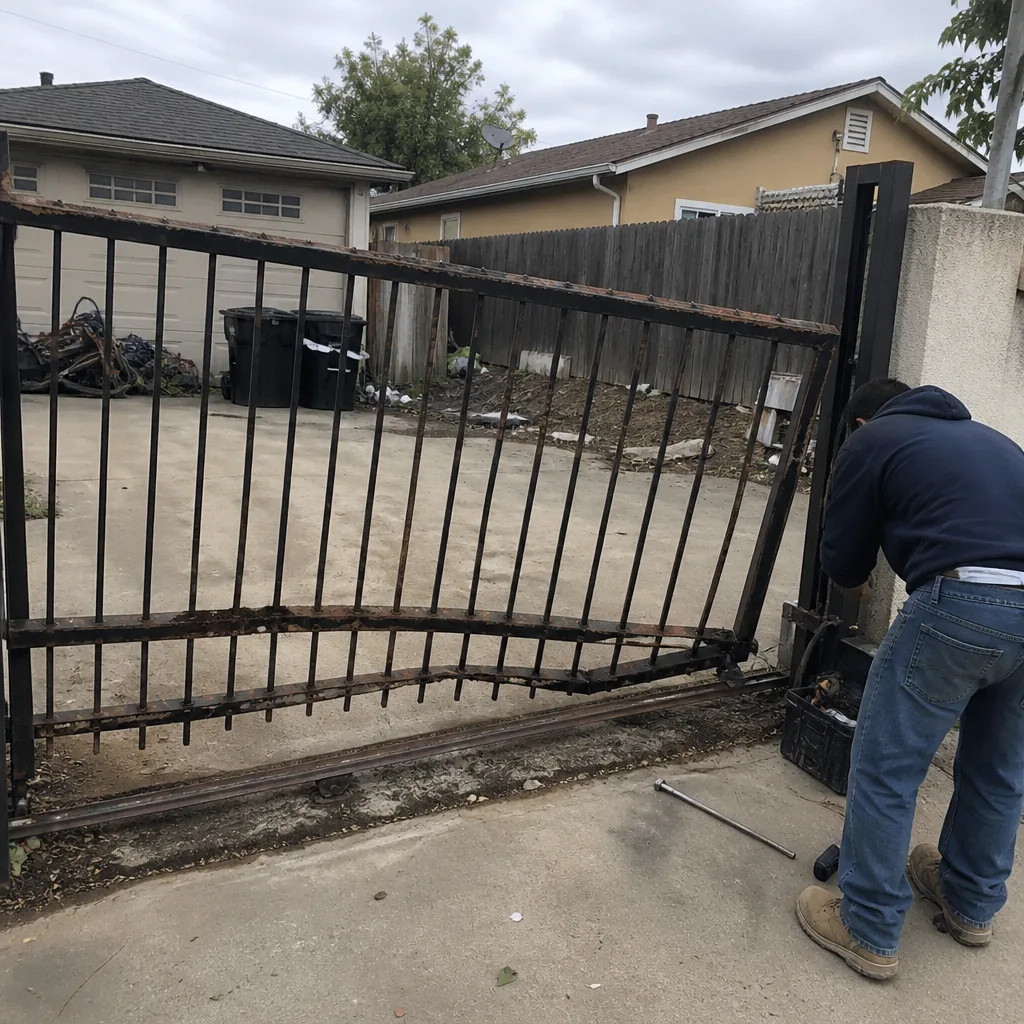 Before
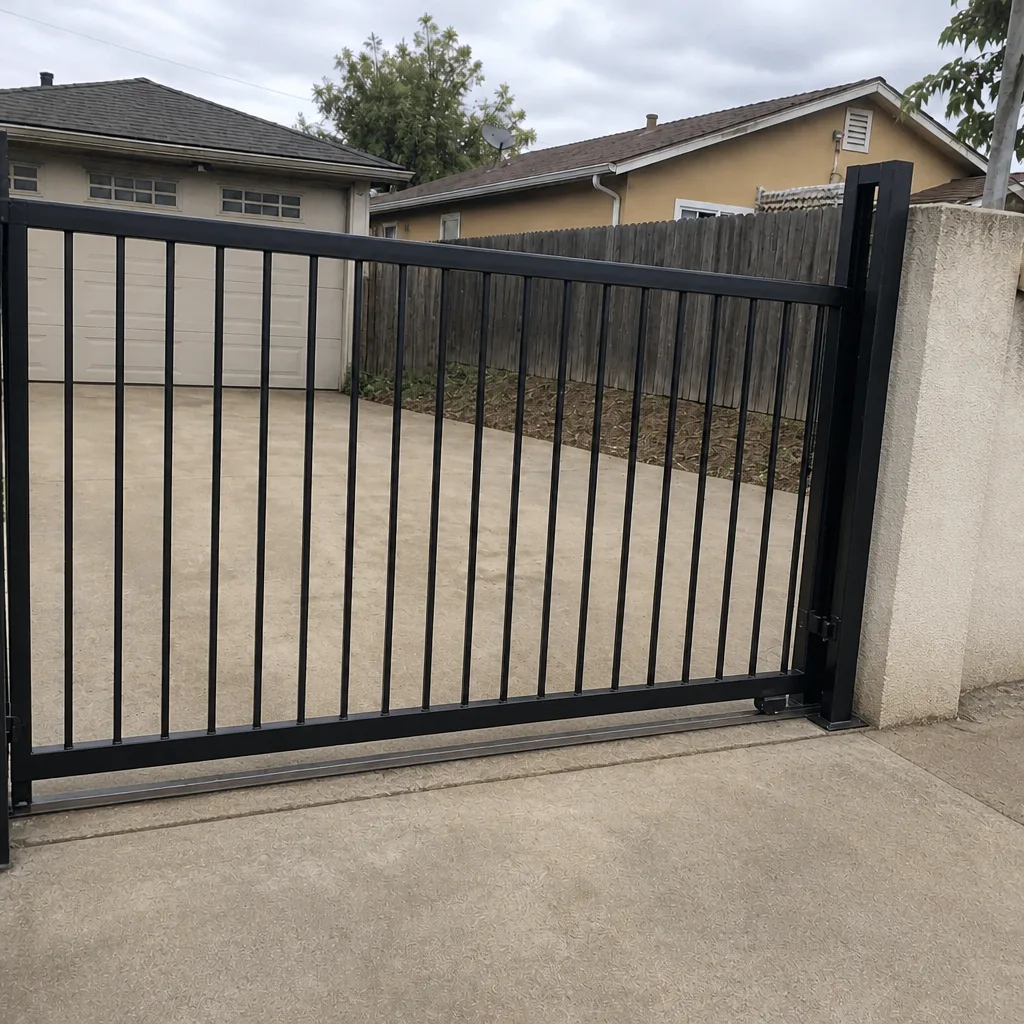 After