
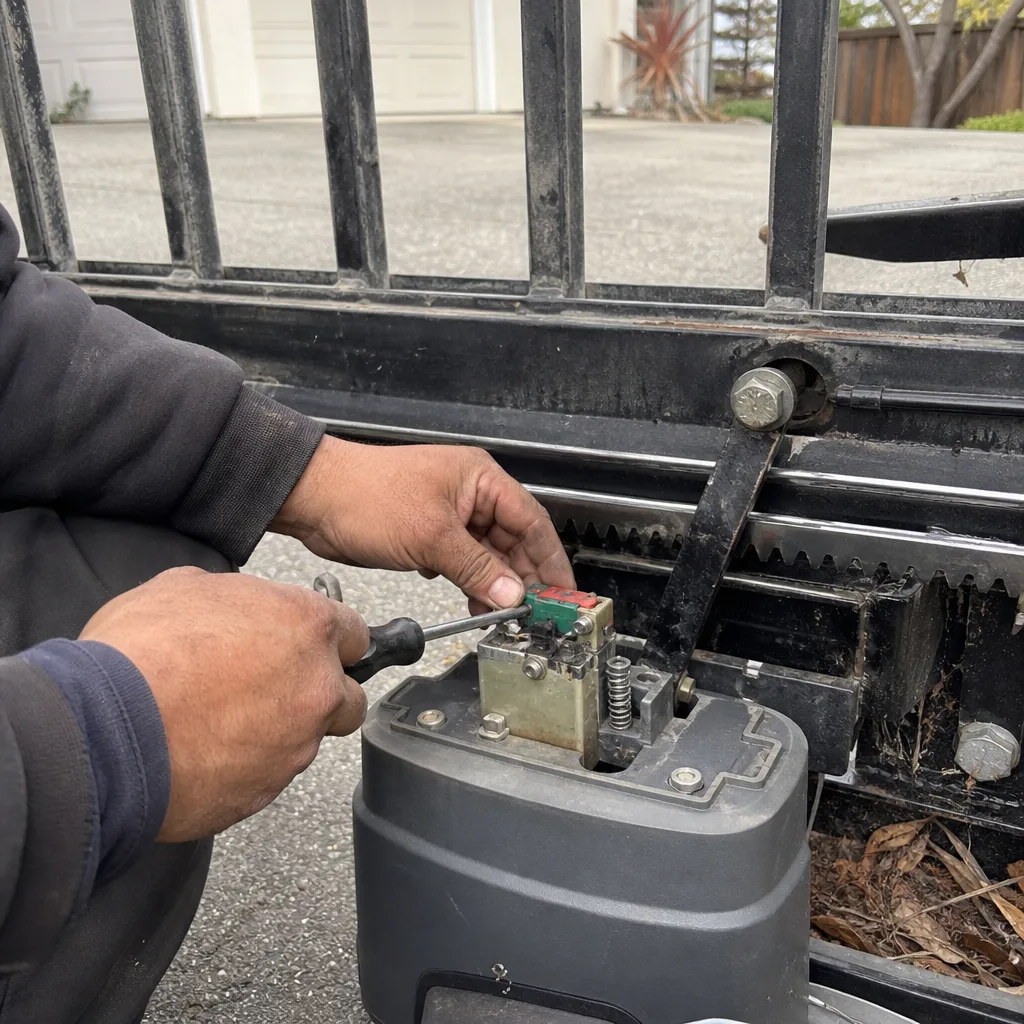
Last updated November 15, 2026
 Wrought iron
 Wood & steel frame
 Farm & ranch
 Sliding driveway gates
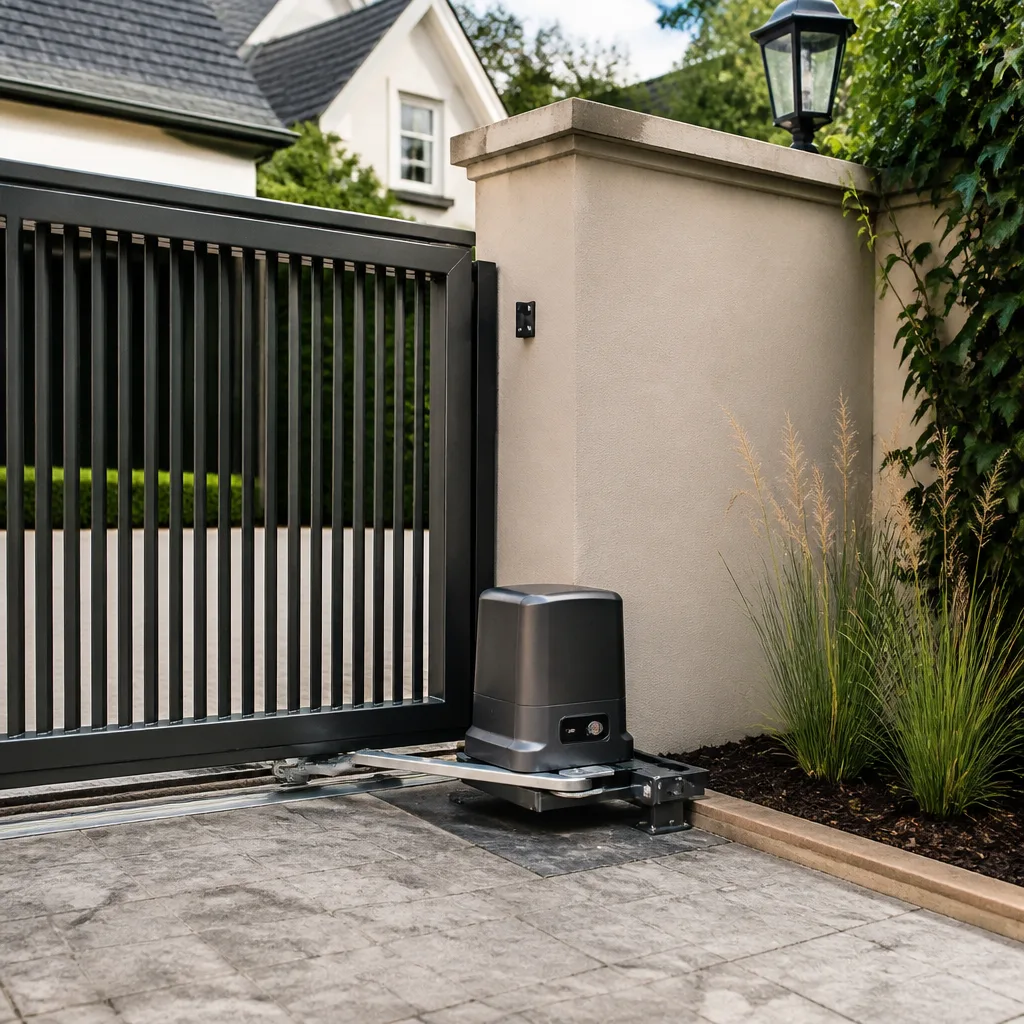 LiftMaster operators
Free on-site gate assessment - hinges, posts, and your LiftMaster or Nice gate operator checked before anything is quoted
The assessment is free and the quote is the invoice.
Get your free estimateGate Repair Permits, Codes & Inspections in Fairfield, CA: What You Need to Know
Here’s the part most homeowners miss: when you swap out a gate operator or add automation to a gate you already own, the permit question usually isn’t about the gate at all. It’s about the electrical work. The gate looks the same, swings the same, and nobody thinks to call the city. Then a buyer’s inspector flags an unpermitted circuit at the property, and a small upgrade turns into a paperwork problem at closing. In this guide we’ll walk through what actually triggers a permit in Fairfield, what UL 325 safety compliance looks like at the hardware level, how HOA overlays change the rules, what happens to insurance when a gate was never permitted, and how to fix an old unpermitted installation before it becomes someone else’s question.
Quick Answer
In Fairfield, routine gate repair on an existing, already-permitted gate generally does not require a new building permit, but installing a new automated gate operator, running new electrical power to a gate, or replacing a gate with one of a different size or location usually does. Automated operators must also meet UL 325 safety standards for entrapment protection, and many Fairfield subdivisions add HOA requirements for height, material and screening on top of city code. The safest path is to confirm permit scope with the City of Fairfield building department before work starts and to get any contractor’s permit position in writing.
Styles & brands we work with
- Wrought iron
- Wood & steel frame
- Farm & ranch
- Sliding driveway gates
- LiftMaster operators
Table of Contents
- What Triggers a Permit in Fairfield?
- UL 325 Safety Requirements and What They Mean at the Gate
- HOA Overlay Rules in Fairfield Subdivisions
- What Happens to Insurance When a Gate Was Never Permitted
- How to Retroactively Permit an Existing Gate
- What a Gate Inspection Actually Checks
- Choosing a Gate Contractor Who Handles the Paperwork Right
- Common Mistakes to Avoid
- Frequently Asked Questions
What Triggers a Permit in Fairfield?
The short version: repair usually doesn’t, and new work usually does. But “usually” is doing real work in that sentence, because the line between a repair and a replacement is where most permit trouble starts. If a hinge is bent, a roller is worn, or a latch isn’t catching, you’re fixing hardware on a gate that already exists and already has whatever approvals it needed. If the gate itself is coming out and a new one is going in, or if a gate is being automated for the first time, you’re in a different category.
Here’s how we think about the categories, from the lightest to the heaviest:
- Hardware repair on an existing gate: Hinges, latches, rollers, tracks, stops, sagging adjustments. Generally no permit. This is the bulk of what we handle at gate repair.
- Operator replacement on an existing, already-powered gate: Swapping a failed operator for a new one of similar type. Often treated as a repair if the electrical circuit isn’t being changed, but confirm with the city, because inspectors differ on whether a new operator counts as new equipment.
- Adding automation to a manual gate for the first time: This is where the electrical work arrives. New power to the operator, new low-voltage control wiring, new safety devices. This is the scenario the opening of this guide was about, and it’s the one most often skipped.
- New gate installation: New posts, new footings, new panels. Almost always permitted, and often subject to HOA review before the city will even look at it.
- Changing the gate’s width, height or location: Even on an existing opening, moving or resizing a gate can change what the structure is, and that draws review.
What we tell people in Fairfield is simple: call the city’s building department and describe the job in plain language. “I’m replacing an operator on a gate that already has power” and “I’m adding power to a gate for the first time” land in different places, and the person on the phone can tell you which one you’re in. Get the answer before the work starts, not after.
UL 325 Safety Requirements and What They Mean at the Gate
UL 325 is the safety standard for automated gate operators, and it exists because a moving gate is a heavy object with a motor behind it. The standard isn’t a suggestion or a manufacturer preference. It’s the baseline that automated operators are designed against, and it drives the safety devices that have to be present on a working installation. When an operator is installed without those devices, or when they’re bypassed because they kept tripping, the gate is no longer operating the way it was built to.
At the hardware level, compliance is about entrapment protection. The operator has to be able to detect that something is in the path of the gate and respond. That means:
- Photo-eye sensors across the gate opening, mounted so the beam actually covers the travel path rather than a convenient post.
- Edge sensors on the moving gate leaf or panel, so contact with an obstruction reverses the gate.
- Operator logic that monitors those devices and refuses to run, or runs in a restricted mode, when a sensor is missing or failed.
- Proper control wiring between the operator, the safety devices and any keypad or remote receiver, installed so a failed device reports as failed rather than silently reading as clear.
This is the part where a gate specialist matters. A generalist can hang a gate and wire an operator. Diagnosing why an electric gate repair keeps intermittently reversing, or why a safety edge gets ignored on a specific brand of control board, requires working on these systems regularly. We work on LiftMaster, FAAC, BFT, Linear, Viking, Ghost Controls, DoorKing, Elite and Mighty Mule equipment, residential and commercial, and the safety-device logic differs from brand to brand and even between generations of the same brand. From the operator to the hardware, the safety chain has to be intact.
One safety note we won’t skip: the dangerous parts of an automated gate are the operator’s power wiring and the heavy gate leaf or panel itself. Wiring should be done by someone qualified to do it, and heavy panels that come off a track or swing unexpectedly can cause serious injury. Don’t test safety devices by standing in the gate path or by defeating them to “see if it works.” Have a trained technician check them.
HOA Overlay Rules in Fairfield Subdivisions
Fairfield has a lot of planned subdivisions, and in those neighborhoods the city is only the first approval you need. An HOA architectural review is a separate layer, and it can be stricter than the city on exactly the things a gate project touches: height, material, color and how the gate reads from the street.
The practical problem is sequencing. Homeowners often get city approval, install the gate, and then discover the HOA wanted a different material or a lower height. The gate is compliant with the city and non-compliant with the neighborhood, and now you’re either modifying a new gate or arguing with a board.
What the HOA layer typically covers:
- Height: Many associations cap front-yard fencing and gate height below what the city would allow, so the city’s maximum is not your maximum.
- Material and finish: Wrought iron, ornamental steel, composite and wood are treated differently, and some associations require a specific look on street-facing gates.
- Screening and visibility: Rules about how much you can see through a gate, and whether solid materials are allowed at the front of the property.
- Automation and noise: Some associations have opinions about operator noise or about keypads and call boxes visible from the street.
- Setbacks and placement: Where the gate sits relative to the property line and the driveway.
Our advice for anyone in a Fairfield subdivision: pull your CC&Rs and any architectural guidelines before you order anything. If the language is vague, submit an architectural request with the gate drawings and get an answer in writing. It costs you a little time up front and saves a modification later. When we quote a new gate installation, we ask about HOA review early, because it changes what we can specify.
What Happens to Insurance When a Gate Was Never Permitted
This is the consequence people underestimate. An unpermitted gate is not automatically excluded from coverage, but it creates a disclosure problem, and disclosure problems are where claims get complicated. A homeowners policy is built around the assumption that the property is as represented. When an insurer discovers a structural or electrical improvement that was never permitted, the conversation shifts from “what happened” to “what should you have told us.”
Two moments matter most:
- A property or injury claim involving the gate. If an automated gate closes on a vehicle, a pet or a person and the operator was installed without the required permits or without functioning safety devices, the insurer will look closely at whether the installation met code. An installation that didn’t can affect how the claim is handled.
- A home sale inspection. Buyers’ inspectors flag unpermitted work, and once it’s flagged, the seller is usually the one paying to permit it retroactively or to remove it. That’s a closing-table problem, and it’s entirely avoidable.
We can work with your insurer on documentation when a gate is part of a claim, but we can’t undo a permit that was never pulled. The cleanest position is a permitted installation with the inspection record attached to the property. If you’re buying a Fairfield home with an automated gate, ask for the permit history before you close. If you’re selling, get it sorted before the inspector finds it for you.
How to Retroactively Permit an Existing Gate
Yes, you can permit an existing gate after the fact, and it happens more often than people think. The process is a version of the normal permit process with an extra step: the city has to evaluate work that’s already built, which usually means plans and an inspection of what’s there. Expect it to take longer than a fresh permit, and expect the inspector to look harder, because the whole point of the review is to confirm the installation is safe and code-compliant as built.
Here’s the general sequence. Confirm the specifics with the City of Fairfield building department, because requirements vary by project.
- Find out what was actually installed. Operator brand and model, power source and circuit, safety devices present, gate dimensions and post footings. Photos and the operator’s data plate help.
- Call the city and describe the situation honestly. Say it’s an existing installation that was done without a permit and you want to permit it retroactively. Ask what they need for your specific case.
- Get drawings or a description of the installation prepared. For a simple residential operator this may be modest. For a commercial slide gate with loops and access control it’s more involved.
- Apply and pay the permit fees. Fees are set by the city based on the scope of work.
- Correct anything the inspection flags. The most common items are missing or non-functioning safety devices, inadequate or improperly routed power, and posts or footings that don’t match what was approved.
- Complete the inspection and keep the record. Once it’s signed off, attach the permit and inspection record to your property file. This is the document that answers the question at resale.
If a previous contractor skipped the permit, this is the fix. It’s paperwork and a visit, not a rebuild, in most cases. If the inspection turns up a safety device that was never installed, we handle that side of it.
What a Gate Inspection Actually Checks
People picture an inspection as a general look at the gate, and it isn’t. It’s a check against specific requirements, and knowing what’s on the list helps you prepare. This is also why we like to see a gate before an inspection rather than after, because the items that fail are usually fixable in advance.
What inspectors typically look at on an automated gate:
- Permit scope match. Does what’s installed match what was permitted? Different operator, different location or a taller gate than approved is a problem.
- Electrical. How power reaches the operator, whether the circuit and disconnect are appropriate, and whether the wiring method is suitable for the location.
- Entrapment protection. Photo-eyes and edges present, mounted correctly, and functioning. Devices that are installed but bypassed fail this.
- Structural elements. Posts, footings and hinges sound enough to carry the gate, and the gate hanging and latching correctly.
- Operator installation. Mounted per the manufacturer’s requirements, with the control board and any access control devices wired as intended.
- Signage and warnings, where required. Some installations require warning placards visible at the gate.
For a Fairfield property manager running a multi-family or commercial gate, add high-cycle operator condition to that list. A DoorKing or Elite operator on a busy entrance accumulates cycles fast, and an inspection on a gate that’s already struggling mechanically tends to surface it.
Choosing a Gate Contractor Who Handles the Paperwork Right
Ask two questions before you hire anyone for gate work in Fairfield. First: “Does this project need a permit?” Second: “Are you pulling it?” The answers tell you a lot. A contractor who says no permit is needed for everything is telling you they don’t want the paperwork. Ask them to put their permit position in writing, and see what happens.
What to look for:
- A specific answer, not a blanket one. “Repairs on an existing gate, no. New automation with new power, yes, and here’s what we file.” That’s the shape of a real answer.
- Willingness to pull the permit. Some contractors will do the work and leave the permitting to you. That’s a choice, but you should know it’s happening before you sign.
- Familiarity with the operator brand. A technician who works on your brand regularly will spot safety-device and control-board issues that a generalist misses. We work with Ghost Controls and Mighty Mule on residential driveway gates and DoorKing and Elite on commercial entrances, among others, and the diagnostic path is different for each.
- A single trade focus. Gate-only specialists spend their day on gates. That’s the whole job, not a side service between other work.
- A written price before work starts. The estimate should be free, and the price should be quoted and agreed before anything is installed.
Our technicians have up to 12 years of experience on gate and operator systems. If you want a second opinion on what your project needs, we’re glad to look. You can read more about what we do at Gate Repair Fairfield.
Common Mistakes to Avoid
- Assuming automation is “just wiring.” Adding an operator to a manual gate introduces new power, new control wiring and new safety devices, any of which can trigger a permit. Treat it as a project, not an accessory.
- Taking a contractor’s “no permit needed” at face value without anything in writing. If they won’t commit to it in writing, that’s your answer. Get the permit question settled before work starts.
- Skipping HOA architectural review in a Fairfield subdivision. City approval doesn’t cover association rules on height and material. You can pass the city and still fail the neighborhood.
- Letting a bypassed safety sensor stay bypassed. A photo-eye that’s been defeated because it kept tripping is a compliance failure and an injury risk. Fix the cause, don’t defeat the device.
- Buying or selling a Fairfield home without checking the gate’s permit history. An unpermitted automated gate can surface in a buyer’s inspection and become a closing cost. Pull the record while there’s still time to deal with it.
- Replacing an operator without checking whether the new unit matches the permitted scope. If the permitted installation specifies a certain operator type, a different one can fail an inspection even if it works fine.
- Hiring a generalist for a brand-specific electrical fault. Intermittent reversing, ignored safety edges and control-board faults are brand-specific. A technician who sees your operator regularly will find the cause faster.
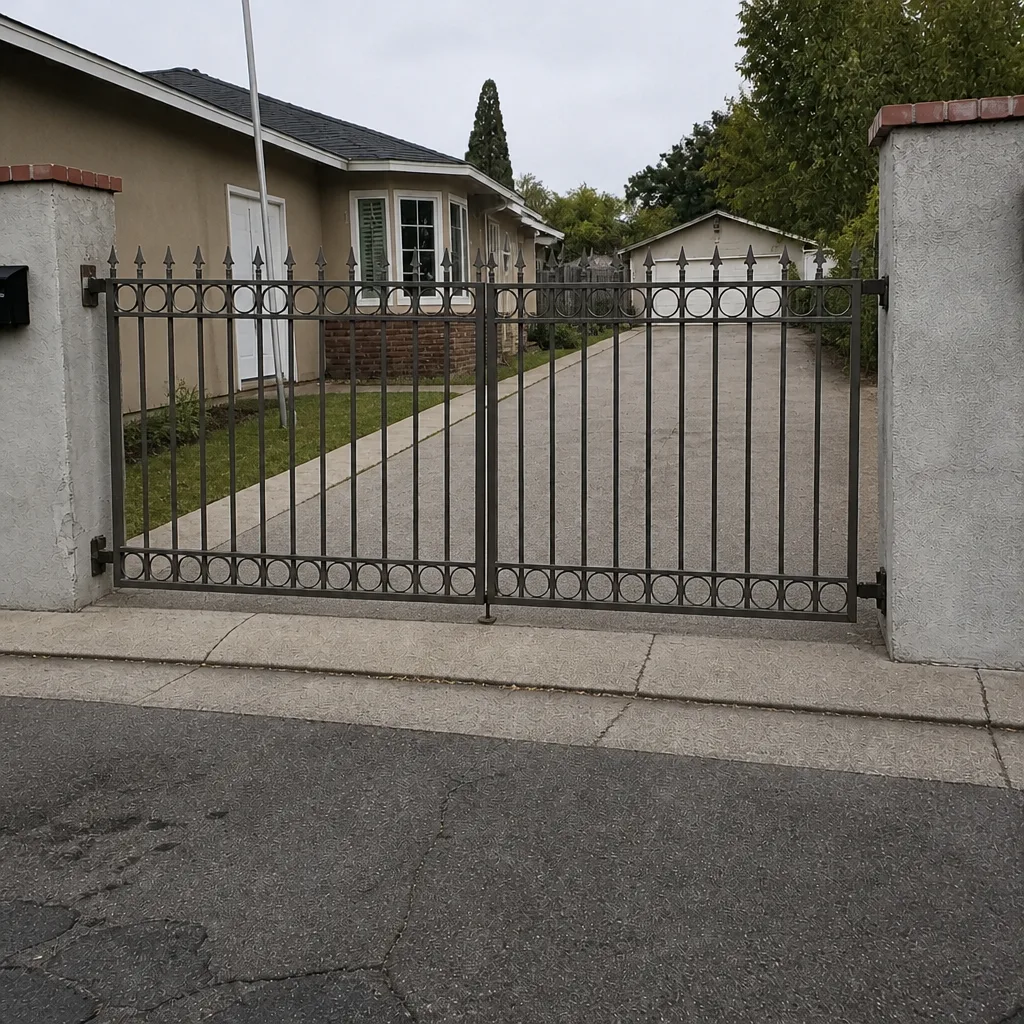
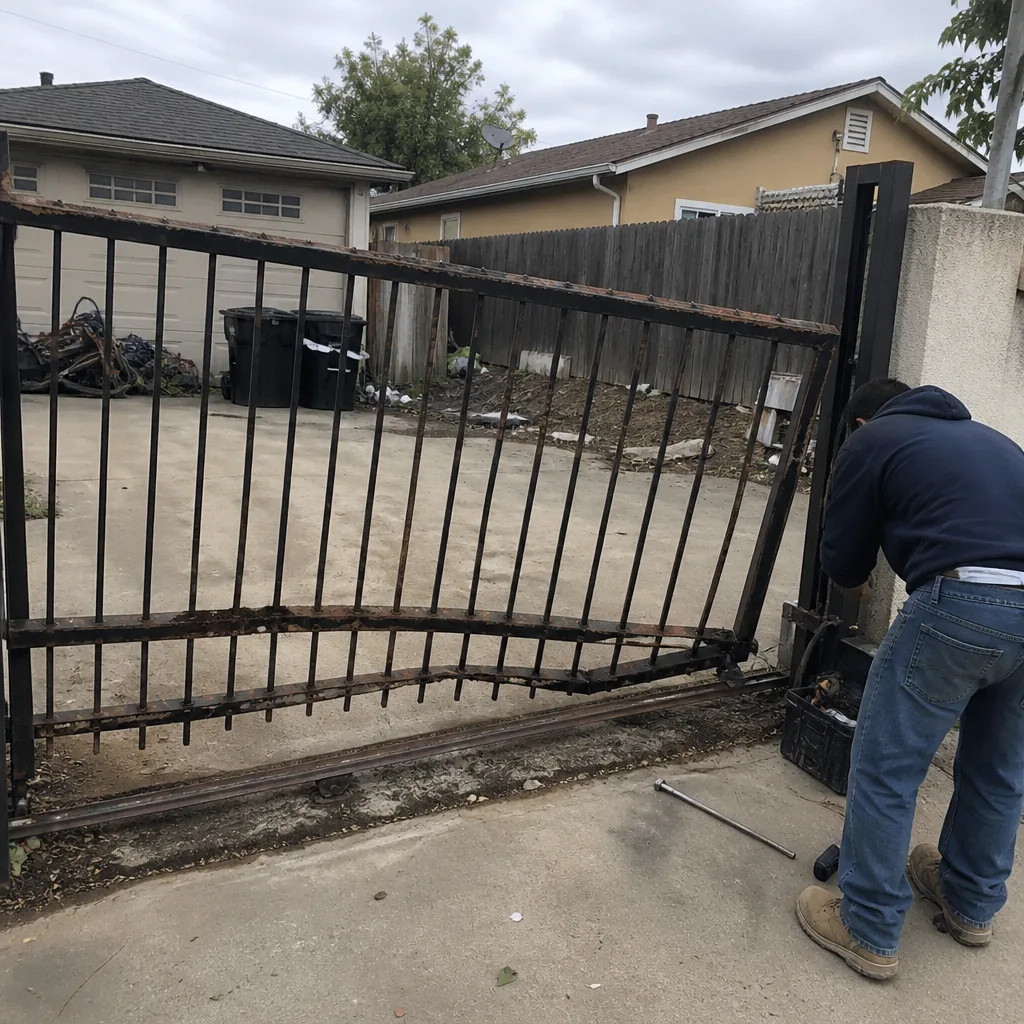
See the difference
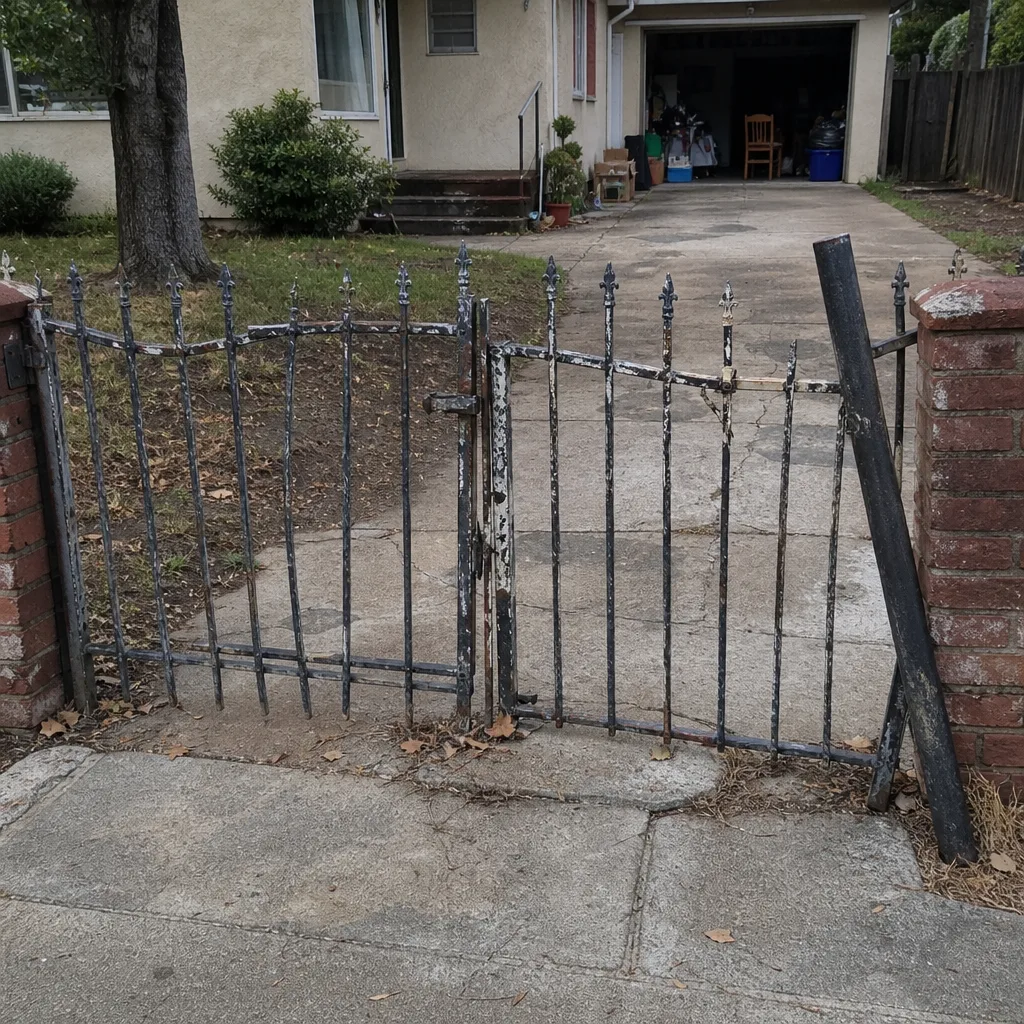 Before
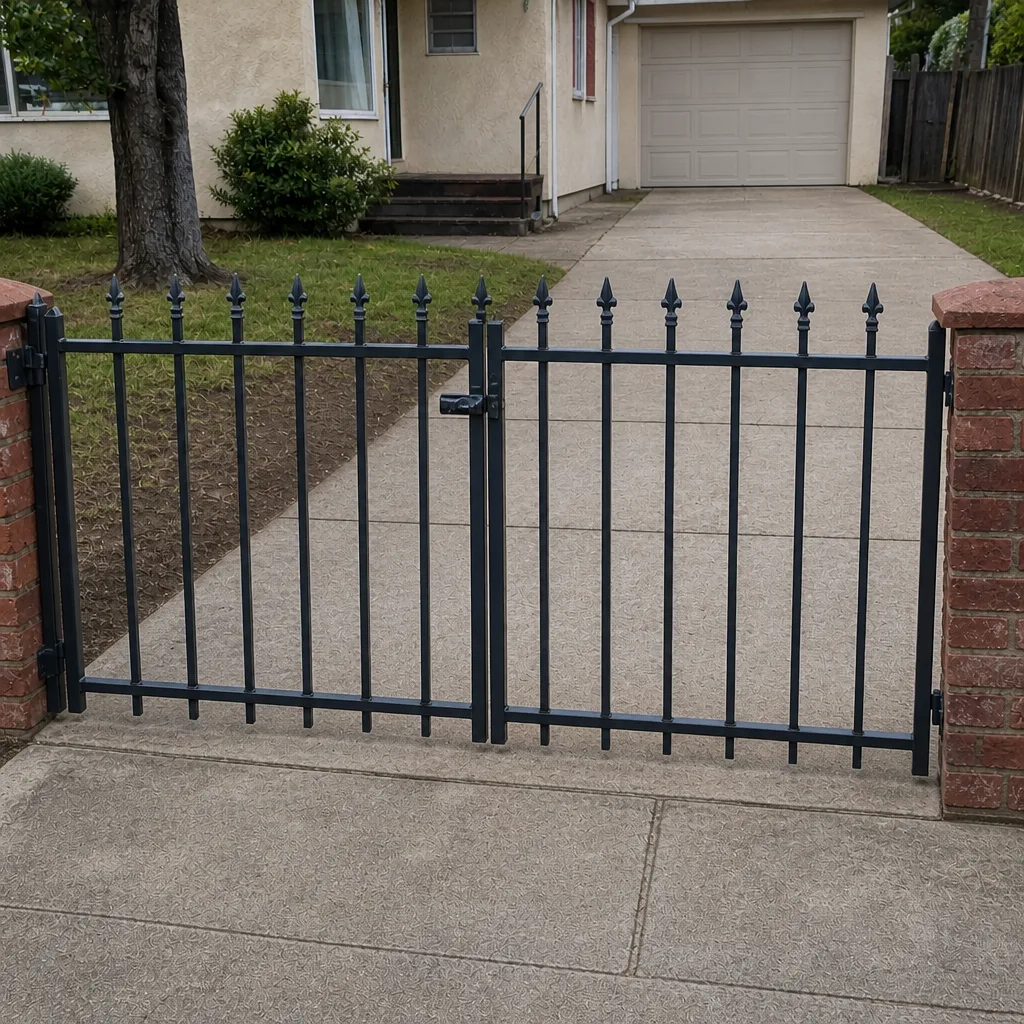 After
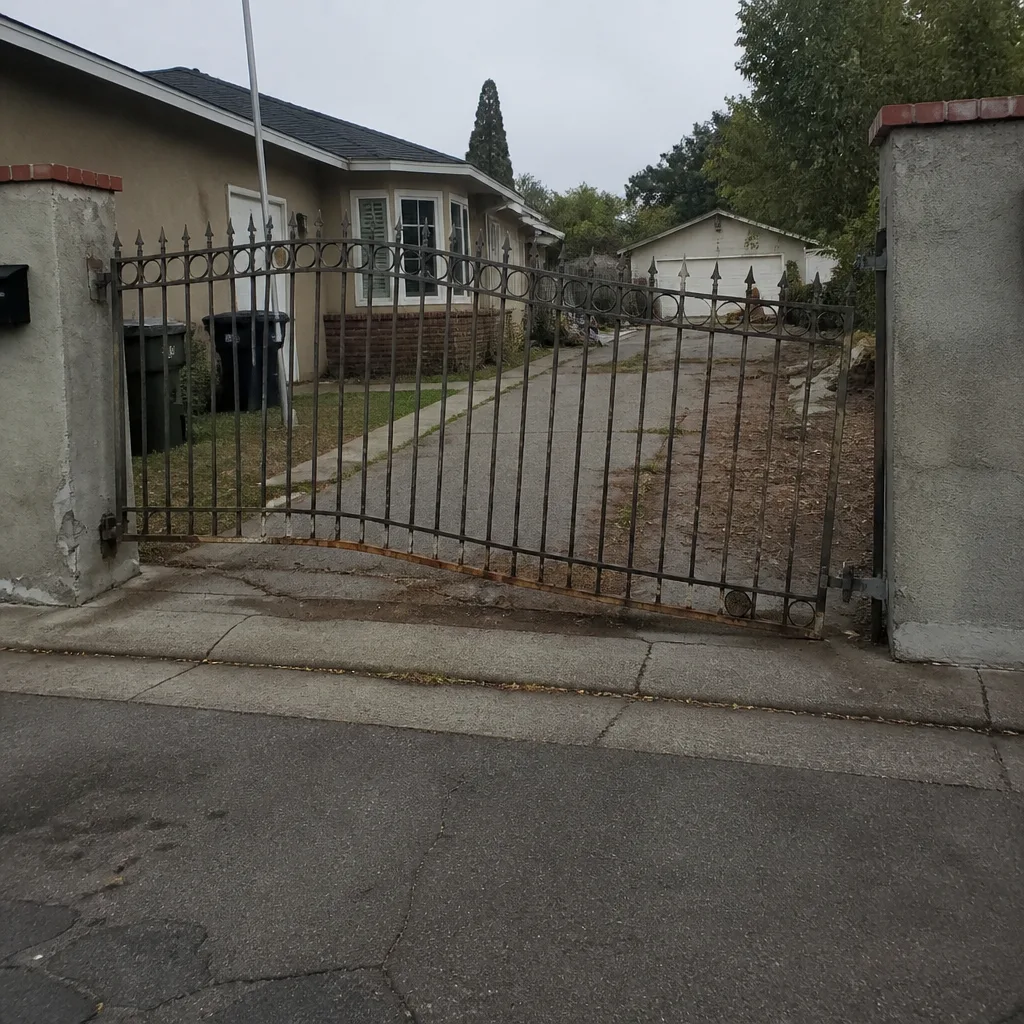 Before
 After
 Before
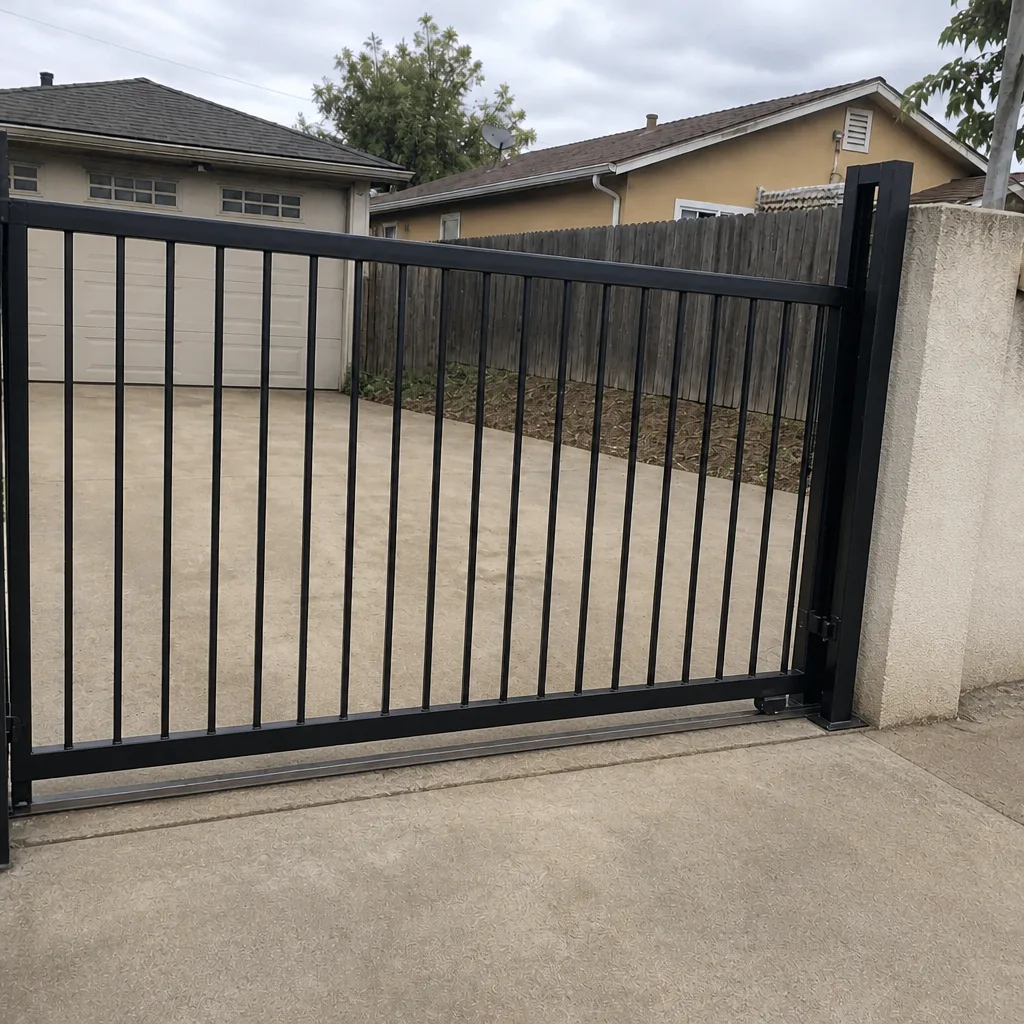 After
When to Call a Professional
Call a gate technician when the problem isn’t clearly cosmetic. If the gate reverses without contact, if a safety sensor has been bypassed or keeps tripping, if an operator won’t hold its limits, if a slide gate has come off its track, or if a heavy gate leaf is sagging on its hinges, those are jobs for someone who works on gates. The same goes for any question about whether your project needs a permit or how to permit an existing gate retroactively; a gate specialist who deals with Fairfield installations regularly can tell you what the city will likely ask for and what has to be on the gate before an inspection. Gate Repair Fairfield offers free estimates in Fairfield, and the price is quoted and agreed before any work starts. Call (888) 457-5442.
Frequently Asked Questions
Routine repair on an existing gate usually does not require a permit, but new automated gate installation, adding electrical power to a gate, and gate replacement that changes size or location typically do. Confirm your specific project with the City of Fairfield building department before work starts, and get any contractor’s permit position in writing. Call (888) 457-5442 if you want us to look at the gate and tell you what we see.
Often it depends on whether the electrical circuit is changing. Swapping an operator for a similar unit on an already-powered, already-permitted gate is frequently treated as a repair, while a new power run, a different operator type or a first-time automation is more likely to need a permit. Ask the city to confirm for your address, since inspectors don’t all read it the same way. Call (888) 457-5442 for a free estimate on the operator work.
UL 325 is the safety standard for automated gate operators, and automated gates are expected to meet it, which in practice means functioning entrapment protection like photo-eyes and safety edges. Compliance is about the devices being present, mounted correctly and actually working, not just installed and bypassed. If you’re not sure your safety devices function, have a technician check them. Call (888) 457-5442 to book an on-site look.
Yes, existing gate installations can usually be permitted retroactively, though the city will review what’s already built and may require corrections. The usual steps are gathering the operator and installation details, calling the building department to describe the situation, submitting what they ask for, paying the permit fees, and correcting anything the inspection flags. Call (888) 457-5442 if the inspection turns up hardware or safety-device work.
In many Fairfield subdivisions, yes, and HOA architectural review is separate from the city permit. Associations commonly set their own limits on height, material, color and street visibility that can be stricter than city code. Submit an architectural request with drawings and get the answer in writing before you order the gate. Call (888) 457-5442 and we’ll help you specify something that can pass both reviews.
It can complicate a claim and it can surface during a home sale inspection. If a gate is involved in a property or injury claim, the insurer will look at whether the installation met code, and an unpermitted installation with missing safety devices is a harder claim to defend. We can work with your insurer on documentation when a gate is part of a claim. Call (888) 457-5442 for a free estimate on bringing the installation up to standard.
The Bottom Line
The permit question on a Fairfield gate almost always comes down to the electrical work and the scope change, not the gate itself. Repair on an existing gate usually doesn’t need one. New automation, new power, or a replacement that changes the gate’s size or location usually does, and automated operators need functioning UL 325 entrapment protection either way. Add HOA review on top in most Fairfield subdivisions, and add the insurance and resale consequences when a previous installation skipped the permit. Get the permit question answered in writing, pull the permit when it’s needed, and fix any unpermitted installation before someone else finds it.
If you’re not sure where your gate stands, call Gate Repair Fairfield at (888) 457-5442 for a free estimate. We answer 24/7. Fast dispatch from 7am to 7pm, Sunday through Friday, and we’re closed Saturday. We work on LiftMaster, FAAC, BFT, Linear, Viking, Ghost Controls, DoorKing, Elite and Mighty Mule equipment, residential and commercial, and we’ll tell you plainly whether your project needs a permit and what has to be right on the gate before an inspection.
Written by the team at Gate Repair Fairfield.